(2Kings 4:38-41)
The wild desert gourd is a plant also known as Bitter Apple, Bitter Cucumber, Egusi, Vine of Sodom or egusi. It is a member of the watermelon family. The fruits are perfectly round, green in color but yellow when ripe. Flowers are yellow with 5-6 petals.
This creeping plant can be found in any climatic zone, generally in desert areas. It is very resistant to heat and it still grows wild along the Dead Sea in Israel.
The seeds inside are edible; rich in oil they are to be roasted or boiled. They have to be completely separated from the very bitter pulp. The flowers too are edible. The succulent stem tips can be chewed to obtain water in the desert.
The fruit itself resembles the water melon but it is extremely bitter. Ingestion of even very small amounts can cause severe irritation of the stomach and intestine lining, bloody diarrhea, kidney damage, bloody urine, and inability to urinate. Other side effects include convulsions, paralysis, and death.
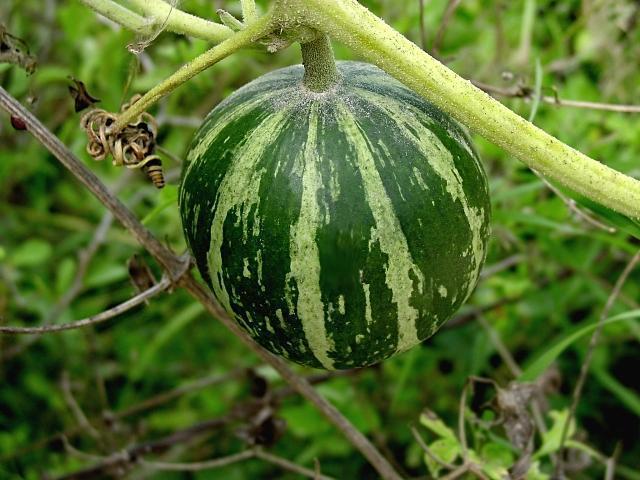
The story on 2Kings 4:38-41 happened during the time of Elisha. There was great famine in the land, as God’s judgment on the rebellious nation. Elisha had ‘a conference’ with the company of the prophets. He told his servant to cook some stew. That was a luxury during that time of famine. One of the prophets went out and found this wild desert gourd. He brought it back and cut it in small pieces and added to the stew. Nobody knew what it was except himself. Time for dinner, they tasted the food and it was terribly bitter because of the plant. They cried: ‘O man of God, there is death in the pot!’ This was a difficult situation for Elisha. But then he took something good and available: a handful of flour, and he threw it in the pot. Suddenly the stew became good and all enjoyed the meal, the lesson and the testimony!
What are the lessons?
*Even during times of famine and difficulty, God’s people will never lack their daily bread. This is the promise of God!
*The prophet who added the bitter plant was foolish, presumptuous and rebellious. He was not the cook but ‘wanted to help’ as a busybody. He kept his action a secret until it was revealed as poison. He was deceived by appearances for the wild gourd indeed looks like the water melon on the outside. But inside, it is very bitter and poisonous.
*The prophet who added the bitter plant represents rebellious people who bring false doctrines in the church. Like yeast in the flour, they mix it with the whole dough. Deception and evil gossips penetrate the church and affect many with bitterness and grief. The judgment on sin is death! It is only the miracle of life in Christ that can save a dying man!
*Elisha knew that he cannot remove the poison for it was cut in small pieces and boiled in the stew. What he did was not to remove but to add. He added flour, something good and available. ‘Get some flour!’- He said! The flour stands for preaching the truth, as we find it ready available in Christ. When sin like gangrene has spread in the church, do not waste you time to ‘uproot’ it. Have faith that the preaching of the Gospel of Grace is powerful enough to neutralize all the effects of sin. The preaching of the Gospel of Christ is always a miracle! The ‘poisoned’ congregation shall be healed and saved from death!
*Trust God for miracles of provision even during difficult times!
*Trust God to repair when you or your children do mistakes!
‘Where sin abounds, grace abounds so much more’ (Rom 5: 20)
On a personal note: In Nigeria, where I live, there is a different plant that produces seeds called egusi. They are grinded and cooked with palm oil and bitter green leaves. The leaves are bitter when fresh but they are squeezed and washed with water until the bitterness is removed. I like to eat egusi soup with boiled rice. It is very tasty indeed!
 Green Pastures