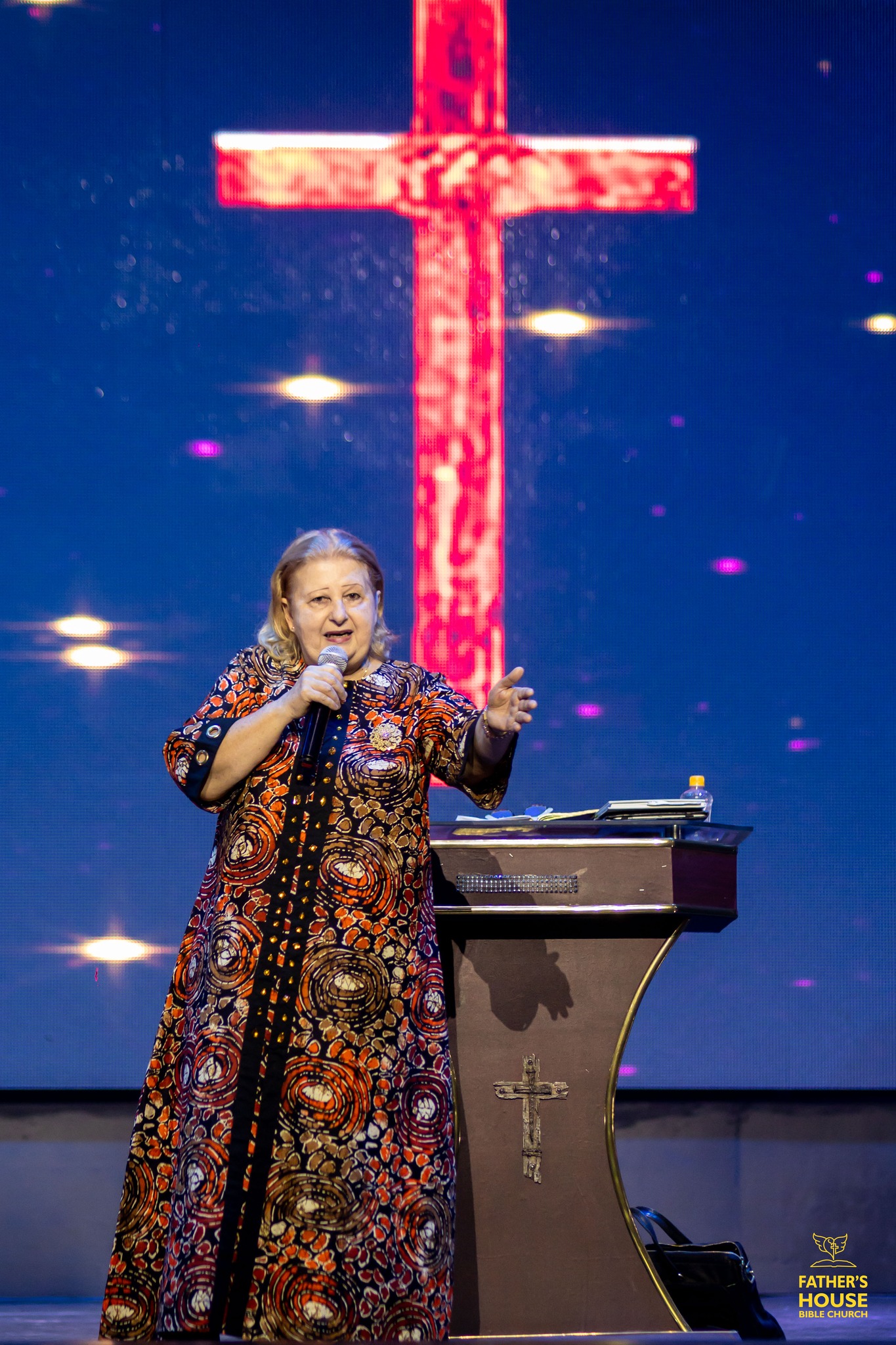
RIZPAH – A MOTHER’S LOVE

This is the sad story of a mother’s agape love. We see a mother’s response to tragedy. Let us meet a woman of God. Her name is Rizpah! She is a hero of faith! She lived about 3000 years ago. Her life is like a star shining bright in the dark sky. She lost both of her sons because of men’s politics. During her pain, she finds the strength to go to God to receive mercy and justice in her time of need. She is an inspiration for all, especially for the mothers (2 Samuel 21:1-14).

Who is Rizpah? She was a Canaanite woman, maybe an Amorite. She must have worshipped idols. Like Ruth in Bethlehem, she was a foreigner in the land of Isreal who became a worshipper of Jehovah. The name Rizpah means ‘hot stone or burning coal’. From her name we see that she was a woman of passion, love and courage. She was ‘the concubine’ of King Saul, the first king of Isreal. She had two sons for him, Armoni and Mephibosheth (not to be confused with the son of Jonathan who had the same name). After King Saul was killed in the battle with the Philisties, she became a widow. After the death of Saul, Abner, who was the commander of the army of Isreal, installed Ishbosheth, the surviving son of Saul, as king in Isreal. Then Abner had an affair with Rizpah. Some said that he raped her. This is a reminder of the insecure status of women in general and widows in particular in ancient times. King Ishbosheth got angry and rebuked Abner. He saw that through this connection, Abner wanted to become king himself. It was a practice in the ancient kingdoms to lay claim to the throne by having sexual relations with the former king’s wives or concubines. When rebuked for his affair with Rizpah, Abner gets angry and betrays Ishbosheth. He crosses over to David and promises to surrender the army of Isreal to him. David receives him well and sends him away in peace. But Joab, the commander of the armies in Judah, and uncle to King David, deceitfully kills Abner on his way back. David mourns Abner and places a curse upon Joab for killing a man whom he has sent away in peace (2Sam 3:1-39). Soon, King Ishbosheth is killed (2Sam 4:6).

This quarrel between Abner and Ishbosheth indirectly benefits King David. The incident led to the downfall of the house of Saul and the rise of David as king of a united Kingdom of Israel. The death of Abner makes Rizpah ‘a widow’ for the second time. Rizpah is caught in a net of political intrigues in the palace. At that time, women had no rights. They were victims of powerful men. Rizpah is called a concubine to King Saul. A concubine is a woman who lives and has sex with a man she is not married to and has a lower social rank than his wife or wives. (In Nigeria a concubine is a woman who lives with a married man who has not paid her traditional ‘bride price’).

After King David becomes the King of united Isreal, for three years, there was a drought and a great famine in the land. “David inquired of the Lord. And the Lord answered, “It is because of Saul and his bloodthirsty house, because he killed the Gibeonites” (2Sam 21:1). The Gibeonites were not Jews. They were Canaanites, Amorites. They deceived Joshua when he tried to conquer the land saying that they were living far away. Joshua made a covenant of peace with them. He promised to protect them against their enemies. Later, Joshua discovered that the Gibeonites deceived him, but he could not kill them because of the covenant already made with them (Joshua 9). God is the Witness of all covenants done in His name and punishes the breaking of covenants because He is the Primary Covenant Keeper! Selah!

God reveals to King David that King Saul, in his foolish zeal for Isreal, has killed many Gibeonites. Therefore, he broke the covenant of peace made with them. To punish the breaking of the covenant, God has sent the famine in the land by withdrawing the rain for three years. David asked the Gibeonites what satisfaction they demanded. They answered that nothing would compensate for the wrong Saul had done to them but the death of seven of Saul’s descendants. They applied God’s Law: “Life for life” (Deut 19:21). They showed no mercy. David does not pray about this request for human sacrifice. He simply agrees to their demand. He arrests the two sons of Rizpah and the five of the sons of Merab, Saul’s eldest daughter. He surrenders them to the Gibeonites who execute them and hang their bodies before the Lord at the sanctuary at Gibeah. This was a human sacrifice to atone for the bloodshed in the past. But even with all this tragedy, the famine continued. It means that God did not accept the sacrifice. Just imagine Rizpah’s pain, to know that her sons died for nothing. She could not fight the political powers. She could not fight David, who was God’s appointed king in the land. She could not fight the Gibeonites who were Amorites like her. She could not fight the Law of God who said: Life for life. All she could do is to be a mother who pleads for mercy from Jehovah, the God of Isreal, under whose wings she has taken refuge.

As the men are hanging there, two mothers grieve the loss of their sons. Merab was King Saul’s oldest daughter. Long ago, Saul promised her to David as a wife. But Saul deceived David and gave her as a wife to Ariel. Merab has now lost her five sons. She weeps but she stays in her house. But Rizpah, comes to the place her sons died. She took a sackcloth and spread it for herself on a rock. She stays there from the beginning of harvest until the late rains. For five months, from April to October, she kept vigil, not allowing the birds to eat them by day nor the wild beasts to devour them by night. Rizpah watched the exposed suspended bodies of her two sons. What she could have done as a mother when her sons were alive, to protect and care for them, she is now doing it to them in their death. This is Love!

King David was informed about Rizpah’s act of devotion. He was touched by the love of this mother who even after her sons died, she continued to take care of them. David was reminded that human life is precious and must be honored. He suddenly remembered that the bones of King Saul and his covenant friend Jonathan were buried in an unknown grave. After Isreal lost the battle, the Philisties displayed the bodies of Saul and Jonathan on their streets as trophies to Chemosh their idol. The people of Jabesh-Gilead stole the bodies from the Philisties and buried them in their land, under a tree and fasted for seven days (1 Chr10:11, 12). Inspired by Rizpah’s example of honoring the memory of the dead, King David brings the bones of Saul and Jonathan and buries them properly in Saul’s family tomb in Zelah, his hometown. King David then brings down the seven bodies of the men who were hanging for five months at Gibeah and buries them honorably in Saul’s tomb also. After doing all these things, God sends the rains and the famine is over. “After that, God was moved by prayer for the land” (2Sam 21:14; AMP). God was not moved by killing men, but He was moved by the living sacrifice of Rizpah, bu her intercession. She prayed silently for mercy and justice from God. Her love for her children inspired King David to seek peace with God without shedding more blood.

WHAT ARE THE LESSONS FOR US?

*Rizpah never spoke a word in the Bible. But her actions speak louder than words. She was a loving mother. Men in power all failed her. But she prayed to Jehovah, the God of judgment and mercy. God heard her cry and vindicated her. Rizpah fought for the vindication of her sons’ memories. She was an intercessor. She laid down her life for her children. The truth is that her sons were not guilty of murder. They died innocently. They were killed for the sins of their father, King Saul. By ordering their death, King David broke God’s Law that says: “Fathers shall not be put to death for their children, nor shall children be put to death for their fathers; a person shall be put to death for his own sin” (Deut 24:16). Her sons were left hanging as a curse. “If a man has committed a sin deserving of death, and he is put to death, and you hang him on a tree, 23 his body shall not remain overnight on the tree, but you shall surely bury him that day, so that you do not defile the land which the Lord your God is giving you as an inheritance; for he who is hanged is accursed of God” (Deut 21:22,23). David decided that Rizpah’s sons were criminals. That is why they were hanged. But even if they were criminals, their bodies should not have been left exposed for five months. That alone defiled the land and brought more curses on the people. Rizpah was not afraid or ashamed of the curse placed upon her sons. She could not prevent the death of her sons. But she chooses to identify with them even after they died. The curse from her sons’ memory was removed. King David gave them a proper burial. And God answered the prayers of the people for the land. The rains came and the famine ended. Rizpah teaches us true love for family, faith in God, courage and faithfulness.

*Rizpah knew that abandoning a corpse, not being buried in the ground, was God’s curse on the rebellious, on the wicked. God said: “Your carcasses shall be food for all the birds of the air and the beasts of the earth, and no one shall frighten them away” (Deut 28:26). She decided to stand in the gap and turn the curse into a blessing. Because of her sacrificial love, even Merab’s five sons benefitted from her intercession. At the conclusion of this Bible account of Rizpah’s sad experience, God brings rain to dry land. The larger purpose of this human sacrifice was Israel’s survival as a nation. The kingdom of Israel moves on with Rizpah as one of its survivors and heroes of faith.

*We must respect human life. Man was created in the image of God. Even in death, we must honor that image. We must bury the dead with peace and love. It is not a matter of expensive ceremonies. But a burial ceremony must be conducted in God’s presence with prayer, praise, and preaching God’s Word. (In Nigeria, most Christian families observe a ceremony called ‘service of songs’ and they also conduct a funeral service during the burial proper. That is good!). Also, this is a reminder that abortion is a sin. Ask for mercy in case you have committed it!

*God cares for the broken hearted. “The LORD is near to the heartbroken And He saves those who are crushed in spirit (contrite in heart, truly sorry for their sin)” (Ps 34:18; AMP). There is a rainbow after the flood. By God’s grace we can survive even after huge losses and major failures in life. Vengeance belongs to God! “Beloved, do not avenge yourselves, but rather give place to wrath; for it is written, “Vengeance is Mine, I will repay,” says the Lord” (Rom 12:19). Selah!

*Rizpah’s love is a symbol of the Cross of Christ. When Jesus was crucified, the disciples ran away because of fear. It was only John and the women who stayed with Jesus as He was dying on the Cross. Mary, the mother of Jesus, heard her Son saying to her from the cross: “Mother, behold your son” (Jn 19:26). The awful sight of Jesus on the cross was Mary’s final vision of the son of God she bore by the Holy Spirit. Rizpah also had a painful view of her sons’ defiled bodies, exposed to the elements. The Cross was a tragedy humanly speaking. But the death of Jesus on the Cross paid for the sins of sinners. Jesus became a curse that we be blessed. “Christ has redeemed us from the curse of the law, having become a curse for us (for it is written, “Cursed is everyone who hangs on a tree”) (Gal 3:13). “He made Him who knew no sin to be sin for us, that we might become the righteousness of God in Him” (2Cor 5:21). The death of Christ was necessary to pay for the sins of many sinners. The curse of sin was cancelled and in Christ, we are now the righteousness of God. This is the mystery of the Gospel, Christ crucified and resurrected. There is always hope in Christ! Hallelujah!

*Rizpah is a woman of God who can take her place among the great heroes of faith in the Bible. We are told that by faith, people gained victory in impossible situations. “Through faith (they) subdued kingdoms… 35 Women received their dead raised to life again. Others were tortured, not accepting deliverance, that they might obtain a better resurrection” (Heb 11:33-35). Rizpah wanted to reverse the curse upon her children. Only God could do that. For five months she patiently and faithfully waited by her dead sons’ bodies, knocking at God’s door of mercy. Humanly speaking, this was an impossible task. No human being could have encouraged her to continue in this desperate search for mercy. Like the woman with the issue of blood, she held on God’s garment, and did not give up until God moved on her behalf. By faith, she ‘received her dead sons raised to life again’. She could not save them from death, but by her action, she redeemed their memory. They were killed as sinners in Israel. Because of their mother’s holy love, they gained honor in death. By her faith and love, she left a legacy of godliness connected to the memory of her children and to all who shall be inspired by the love of a mother. By her faith and love, by her powerful silence, she calls to account all rulers of the world, who have the power to kill or keep alive! She proved that “Love is as strong as death… Its flames or fire a most vehement flame… Many waters cannot quench Love, not can floods of sin drown it” (SS 8:6,7). In the social ranks of Israel, Rizpah, a foreigner, was only a concubine to a wicked king. But by faith in Jehovah God, her adopted God, trusting in His mercy, she rose to the heights of being a mother in Israel, on the same level with Deborah, Hannah, Esther and Ruth. Amazing Grace!!! Worship the Lord!


LOVE YOUR ENEMIES

Jesus commands the believers to love even the enemies. “You have heard that it was said, ‘You shall love your neighbor and hate your enemy.’ 44 But I say to you, love your enemies, bless those who curse you, do good to those who hate you, and pray for those who spitefully use you and persecute you, 45 that you may be sons of your Father in heaven; for He makes His sun rise on the evil and on the good, and sends rain on the just and on the unjust. 46 For if you love those who love you, what reward have you? Do not even the tax collectors do the same? 47 And if you greet your brethren only, what do you do more than others? Do not even the tax collectors do so? 48 Therefore you shall be perfect, just as your Father in heaven is perfect” (Matt 5:43-48).

These are the eternal words of our King. Jesus makes a clear difference between the way the Pharisees understood the law and the way the Law of God must be interpreted. The religious leaders said: “You shall love your neighbor and hate your enemy”. First, we must say that there is no place in the Old Testament where you find these exact words. The Pharisees invented that law. Possibly, they were inspired to say this because in the Old Testament, God commanded His people to kill the Canaanites and take over the Promised Land (Deut 20:16-18). Why did God say that? God is the owner of the whole world. He gave the Canaanites 400 years to repent of their sins. He told Abraham that the sins of the Amorites are not yet complete; their cup of wickedness is not yet full (Gen 15:13-16). God could have killed them with a plague. But God chose Isreal to kill the Canaanites and to take over their land.

Some of the Psalms have strong words to curse Isreal’s enemies. These are called ‘imprecatory’ Psalms. For example, read what David prayed to God about his enemies: “Let their table become a snare before them, and their well-being a trap. 23 Let their eyes be darkened, so that they do not see; And make their loins shake continually. 24 Pour out Your indignation upon them, and let Your wrathful anger take hold of them. 25 Let their dwelling place be desolate; Let no one live in their tents” (Ps 69:22-25). Reading these words, you can imagine why the Pharisees said that they should hate their enemies. But if you read these psalms, David prayed to God not because he was wicked, or because of selfish ambition, but he asked God to vindicate him when his enemies wanted to kill him. David refused to kill King Saul even when Saul was in his power. This psalm is not an invitation to personal hatred against human enemies. It is the appeal of an oppressed person that God should help him. David trusts God for justice and vindication. He wants the glory of God to be revealed in his life! Amen!

In the Book of Matthew, chapter 23, our Lord speaks curses upon the religious leaders, the hypocrites. Reading those lines is painful. The word ‘woe’ is a curse word, mixed with grief and sadness. The religious leaders did not know God. They mispresented God. They were proud and wicked. They led the people astray. Here we clearly see that God (Jesus) cares for the people, that they should know God. There is a greater condemnation upon the religious leaders and teachers of God’s Word who are considered shepherds to God’s flock! These are the very people who plotted the arrest and the death of the Son of God! Selah!

The Pharisees said that a Jew should love and help only another Jew. Every other person should be considered an enemy to be hated and even killed. The Jews hated all the Gentiles and called them ‘dogs’. The problem with their interpretation is that they did not understand the purpose of God’s Law. God commanded that the Canaanites should be killed as an act of divine justice. It was not because of personal hatred against them as individuals. But the Pharisees used God’s divine justice to apply it to their personal relationships with people. Any man they did not like, even if that man was a neighbor, they hated him. They justified their hatred, lack of love and wickedness by saying that it is God’s Law. Hatred of people is always wrong. You can hate the devil, sin and evil in evil men. But you should not hate people!!!

How can a Christian replace the sinful selfish hatred in his heart with the Love of God? Jesus commanded us to do three things: Bless, do good and pray for others! He commanded us to “bless those who curse you, do good to those who hate you, and pray for those who spitefully use you and persecute you”. You replace hatred with loving words. Love has a language. You bless people with your words. Saying to someone: “God bless you!” even when you don’t feel like it, is a powerful manifestation of Agape Love. Love is never rude. Love never curses a human being. Another way to show Love to others is by doing good to them. Righteousness means ‘be good and do good’ for Christ’ sake. You do good by greeting, shaking hands, hugging, helping others, and by giving gifts without waiting for appreciation from men. Doing good is a great form of evangelism. Many sinners came to Christ because Christians chose to help them especially in their time of need. Doing good never fails. Please examine your motives: You don’t do good because you want to convert the person. You don’t do good because you are religious, but because love is your nature as a child of God and a citizen of God’s Kingdom. You trust God to bless your ministry and life. No matter what people say to you, God blesses righteous deeds. Finally, choose to pray for people, even for those you dislike and persecute you. Prayer is a responsibility and a mighty blessing. The greatest example of prayer for the wicked was heard on the Cross. Jesus said: “Father, forgive them, for they do not know what they do” (Lk 23:34). When Steven was dying as a martyr, he prayed for the men who were stoning him. “Then he knelt down and cried out with a loud voice, “Lord, do not charge them with this sin.” And when he had said this, he fell asleep” (Ac 7:60). This is Agape Love praying! May prayer and worship never cease from our lips! Amen!

There is a great difference between loving and liking a person. To like someone is more natural. There are attitudes you observe in a person that connects with you. Love is different. Love is spiritual. You love because God loves you. You extend Love to others, even to the unlovely, because God loves you and He has saved your soul. Like is instant. It is effortless. Love is deep. It takes time and effort to develop. You may have to go to battle to win and protect love. When you like someone, you must agree with that one. His negative ideas may provoke you. But you can love someone unconditionally, even when you don’t totally agree with him. To like someone, you must stay close to that one. Love endures even if the person is far away. The closer you get to someone, the less you may like the person. But love, increases as you get closer to that person. You like only friends. You love both friends and enemies!

Please note: Only Agape love can love even the enemies. Why? This is because if you love someone, you see him thru the eyes of Christ. You see him the way God sees him. You know that he is a victim of the devil, and he is blind to God’s way of salvation. If Agape Love is in your heart, you can help another even if you dislike him. How do you do that? Treat another person like you like him, even if you don’t. Don’t complain again about your enemies. If you don’t have enemies, how can you love your enemies? The Law of Love is stronger than the law of sin, hatred and death. There is always grace available to treat others with kindness and love. They may not deserve kindness, but kindness is your attitude to all. You don’t pay evil with evil. You don’t react with evil when you are provoked. That is the way of the world. You don’t react. You chose to act. With wisdom, peace, love and respect.

Why do we need to behave well, to show love and kindness to all? It’s a visible proof that God is your father, and that you are a citizen of His Kingdom. God sends rain and sunshine to all men. It is not only the Christian farmer that enjoys rain on his field. That rain goes to the wicked too. We must treat others with respect, kindness and love because we are God’s children, Christ’ ambassadors and citizens of His Kingdom. Love is the atmosphere of the Kingdom of God. As God never fails, as love never fails, so the Christians who walk in love will never fail to fulfill God’s purposes for their lives. This love is the engine of revival in the church and outside the church! May God help us!

CLINGING COVENANT LOVE (Ruth 1:1-22)

The story of Ruth is a story of Love, Grace, Loss and Redemption. It is a story of tragedy and triumph, pointing to Christ, crucified and resurrected. As we all know, life is not easy. We may find ourselves at a place of crossroads in life. There are times when painful things happen to us. This pain changes us for life. We need to make choices. For better or for worse, our choices will lead us on. We can choose a path, but we cannot choose the consequences of that decision. In the story of Naomi and her daughters-in-Law, we see the power of choices. They became widows, not by their own will.  But after the pain of loss came, their choices determined their paths in life and their eternal destinies. Ruth is a true friend to Naomi. She married Boaz and had a son who is the grandfather of King David. Orpah chose to forsake her first Love for God and for Naomi. These are decisions made by their free will. Amid this family drama, we see the invisible but ever-present God, His sovereignty, Love, Power, and Grace, which are the determining factors in every believer’s life. Worship the Lord!

This story happened during the time of the Judges. “In those days there was no king in Israel; everyone did what was right in his own eyes” (Jdg 21:25). This is a revelation of the authority of a king who maintains order in his domain. It is a reminder of the total power and the authority of King Jesus in His Kingdom. The citizens of God’s Kingdom do not do ‘what is right in their own eyes’, but they obey God’s Law.

This is the story: Elimelech and his wife were residents of Bethlehem, also called Ephrath. The name Elimelech means ‘My God is King’. There was famine in the land. The meaning of Bethlehem is ‘house of bread’. But now, there was no bread in the house. God has promised to punish His people with famine when they rebel against Him. This famine was a form of chastisement. Elimelech was supposed to stay in Bethlehem and repent for his sins. But he too decided to do “what is right in his own eyes”. He chose to exile himself and his family to Moab, the neighboring pagan country. The distance between Bethlehem and Moab is about 60 miles. On foot, it can be covered in about 10 days. Elimelech left his country with the intention to return. But it was not for him to decide his future. His life was never the same again. Elimelech, My God is King, lived like he had no King. Elimelech and Naomi took their two grown sons, Mahlon and Chilion, and settled in Moab. Mahlon means weakly and Chilion means wasting. God commanded His people not to live among pagans because they will be tempted to forsake Him and worship other gods. The Moabites were ancient enemies to Isreal. It was the King of Moab who hired the false prophet Balaam to curse God’s people. It was the Moabite women who drew the Israelite men into sexual immorality and the worship of idols (Nu 22-25). Elimelech took great risk taking his family to Moab. He went on a road that led to nowhere. Like the prodigal son, things looked good at the beginning, but then, tragedy strikes! Elimelech dies and is buried there. Naomi was left with her two sons. They marry Moabite women. After ten years, Naomi’s two sons died too. Double tragedy! Lesson: many Christians chose to live in places of prosperity, ignoring the effects that culture will have upon their godly values. Do you choose prosperity and comfort over God’s will?

In Moab, Elimelech and his family kept their religion. They still worshipped Jehovah God. They did not worship Chemosh, one of the gods of the Moabites. That is good. But Elimelech knew that his two sons will eventually marry pagan Moabite women. He disobeyed God’s clear command that God’s people should not marry pagans (Deut 7:2-4). After Elimelech dies, his sons marry Moabite women, Ruth and Orpah. They live with Naomi. The five of them live together in Moab for ten years. I think it was a happy home. Naomi and her sons preached thru words and actions about Jehovah God. For ten years both Orpah and Ruth had many opportunities to experience God’s love in action. The only sad part of the story is that both Orpah and Ruth did not have children. Then, their husbands died. Naomi is now left without a husband, and without sons. These are three childless poor widows. At that time, widows were among the lowest in society. Without husbands or sons to take care of them, just to survive, widows had to become beggars or prostitutes. This is a triple tragedy. Suddenly, Naomi hears that God’s grace and mercy has been revealed in Judah. There is prosperity in Bethlehem! She could have stayed in Moab, but she decided to come back home, to partake from God’s blessings. This is a walk of faith. Her two daughters-in-law decided to follow her to Bethlehem. Lesson: God is a God of both Judgement and Mercy. God disciplines His children, to humble and to bless them!

Along the way, Naomi discourages the two women from following her. Naomi knows that these Moabite women will suffer discrimination in Bethlehem. That was her home, but it was never their home. Naomi’s only hope is to live by the pity of her male relatives. She could glean in the fields, if she had the strength. That option was not available in Moab. But to carry two Moabite women was a burden too heavy for her. These two women were a reminder of her backsliding. Naomi was like a young Christian woman who had a baby outside marriage. Her baby is a reminder of her sin. No wonder Naomi wanted them to go back. Her life in Bethlehem will be hard. These foreign women will make it harder for her. That is what she thought… Until Ruth chose to trust Jehovah God whose grace is greater than any sin! 

Naomi tells them that she is too old to have more sons to marry them. They should go back to their parents, to their people (and to their gods). “Then they lifted up their voices and wept again; and Orpah kissed her mother-in-law, but Ruth clung to her” (Ru 1:14). In Hebrew, the word ‘clung’ also means to join, to cling, to have and to hold. It is the same word used for the relationship between husband and wife. “Therefore, a man shall leave his father and mother and be joined to his wife, and they shall become one flesh” (Gen 2:24). Just as the friendship between David and Jonathan, the relationship between Naomi and Ruth is a platonic and covenantal relationship. It is spiritual, deep, pure, without any sexual component. God blessed it. Both women gained from it. And God took all the glory!

The name Ruth means ‘Friend’. She is more than a daughter-in-law to Naomi. She is her only friend and her only hope. Ruth is a symbol of Christ. “A man who has friends must himself be friendly, But there is a friend who sticks closer than a brother” (PV 18:24). This is the covenant of friendship Ruth made with Naomi: “Entreat me not to leave you, Or to turn back from following after you; For wherever you go, I will go; And wherever you lodge, I will lodge; Your people shall be my people, And your God, my God. 17 Where you die, I will die, And there will I be buried. The Lord do so to me, and more also, If anything but death parts you and me” (Ru 1:16, 17). By saying these words, Ruth committed her life, body and soul, to Naomi and Naomi’s God. She calls God ‘The Lord’ (Jehovah). She promises to serve Naomi unto death. She will be buried in Naomi’s land, Bethlehem. Ruth invokes a curse upon herself. If she will break this pledge, may Jehovah God punish her. In the ancient world, this was the greatest form of love and sacrifice. What is Naomi’s reaction to this mighty proof or agape Love? Nothing! Naomi said nothing! She did not immediately appreciate Ruth’s sacrificial love. She did not encourage her in her chosen path. “When she (Naomi) saw that she (Ruth) was determined to go with her, she stopped speaking to her” (Ru 1:18). Lesson: Bitter people do not encourage Love. Agape Love doesn’t need men’s encouragement. It is sustained purely by the Grace of God!

Ruth stays with Naomi. Despite Naomi’s counsel, she chooses to follow her to Bethlehem. Naomi did not promise to give Ruth money or another husband. The only reason why Ruth followed her is because she fell in love with Naomi’s God. Ruth had faith that Jehovah, her new God, will take care of her in a foreign land. God rewards her faith. She will marry a wealthy man in Bethlehem called Boaz, who was from the family of Elimelech. In this way, she keeps her status as Naomi’s daughter-in-law. She became the mother of Obed, the grandfather of King David. Thus Ruth, a Gentile, is among the maternal progenitors of our Lord Jesus Christ (Matthew 1:5). Glory to God!

Unlike Ruth, Orpah choses to return to her own people. Her name is derived from the Hebrew word ‘neck’. She is ‘stiff-necked’ because of her turning-back from following her mother-in-law. She weeps and lovingly kisses Naomi goodbye. Why did Orpah go back? Jesus said that the Word of God is a good seed. The ground where the seed is planted makes the difference. Orpah’s heart was a stony heart. She was a temporary fleshly believer. She heard the Word of God, she felt the love of God, but she did not radically change in character. The change she experienced was superficial. It did not pass the test of time. She was a hearer and not a doer of God’s Word. She accepted God’s Word with joy. But the Word did not penetrate her hearts. It did not produce roots and fruits. When the trials came, the Word ‘withered away’ (Matt 13:5,6,20, 21). Orpah went back to Moab because she had no faith like Ruth that God can grant her a miracle marriage. Ruth was faithful to her first love for God! Orpah chose the forsake her first love for God! The choices they made separated them eternally. Selah!

Study Orpah and Ruth, side by side. One will be forgotten, and the other one will fulfill destiny. Why, do these women make different choices? Both had grown up in Moab and turned from paganism to their husbands’ faith. Both lived with an adoring mother-in-law. Both knew of the love of Yahweh, the one True God. Both enjoyed material wealth and prosperous marriages out of the abundance of God’s blessings and love. Both had husbands who taught them well, and who showed them God’s love in marriage. Both had husbands who stayed with them despite the lack of children. Both were aware of the power and authority of Jehovah God who gave them free will. Everyone has a choice to receive God’s free gift of saving grace or to turn back. Orpah’s faith in God depended on things, on prosperity. Ruth’s faith in God depended on God Himself. One faith will fail in times of trial! Ruth’s faith in God stood the test of time! Selah!

Jesus said that He must be our first Love, above all others. “If anyone comes to Me and does not hate his father and mother, wife and children, brothers and sisters, yes, and his own life also, he cannot be My disciple” (Luke 14:26). To be a disciple of Jesus, we must die to self, to our own plans for life and adopt God’s plan. This holy transaction is necessary to be truly saved. Fleshly life must die for eternal life to germinate and become fruitful in your soul.  “He is no fool who gives what he cannot keep, to gain what he cannot lose” (Jim Elliot).

LESSONS FOR US:

*This is a story of Grace! Grace is the unmerited, free, spontaneous, God generated favor and love towards men. The source of Love and Grace is found in Christ alone. All dealings between God and men are the result of His Love and Grace! God alone takes all glory!

*The fulness of God’s Grace is manifested in His Son, our Lord and King, Jesus Christ. “For you know the grace of our Lord Jesus Christ, that though He was rich, yet for your sakes He became poor, that you through His poverty might become rich” (2Cor 8:9). The Grace of our Lord Jesus Christ manifests as reversal of situations: the weak become strong, the sick ones are healed and the poor become rich. Glory to God!

*God’s Grace and His sovereign will shine thru this story. God’s eyes have been on Ruth before the foundation of the world. God’s elective Grace calls and redeems the most unlikely people, calling them from any land. He lifts the humble and sits them with princes!

*Sin makes people weak and sick. God’s grace and strength is revealed in man’s weakness. Where sin abounds, grace abounds much more!

*God cares about all people, men, women, and children, and all nationalities. There is no unimportant person in God’s sight.

*God uses little things to accomplish great things, according to His plan and purpose. God uses unlikely people to accomplish His purpose.

*God has a positioned helpers to help us at the right time, the right place.

*For as long as we breathe, even in the worst circumstances, there is hope!

*The past should not hold you back. God can change things in a second. Trust Him for that miracle!

*Obeying God, doing the right things, is not easy. It is a sacrifice. But God rewards obedience and righteousness.

*Character is who you are even when nobody is watching. When Ruth pledged her life to Naomi, she did not know that millions would read her words and be inspired by them.   

*This is the story of the Cross. Jesus was crucified in weakness and rose thru God’s Grace and Power!

*Covenantal relationships are possible in Christ alone. Like precious stones, they are special, but rare to find. Agape love is a gift from God. It is greater than all natural limitations and differences. A true friend helps you fulfill your destiny. This relationship must be protected from enemies, especially the religious backsliders.

*Trust God to make your dreams come true. Trust God for miracles, to bring water in the desert. Trust God to grant you the revelation and the manifestation of everlasting unfailing agape Love. Trust God to change water into wine in your marriages!

*This is similar story with the friendship between David and Jonathan. God is the Original Covenant Maker and Keeper. God blesses covenantal relationships and marriages. Faithfulness to the covenant brings blessings not only to the parents, but to their descendants.

*Leave a legacy! Leave a good name behind as inheritance to your descendants.

*Orpah left and disappeared from the Bible. Ruth gained a name and a status among the great women of faith. A chapter in the Bible is named after her. Out of her seed the Lord Jesus Christ came as Man on earth. Lesson: Grace has the last Word! Worship the Lord!

WE ARE CITIZENS OF HEAVEN

“Brethren, join in following my example, and note those who so walk, as you have us for a pattern. 18 For many walk, of whom I have told you often, and now tell you even weeping, that they are the enemies of the cross of Christ: 19 whose end is destruction, whose god is their belly, and whose glory is in their shame—who set their mind on earthly things. 20 For our citizenship is in heaven, from which we also eagerly wait for the Savior, the Lord Jesus Christ, 21 who will transform our lowly body that it may be conformed to His glorious body, according to the working by which He is able even to subdue all things to Himself” (Phil 3:17-21).

There are only two realms or two destinations: the Kingdom of God and the kingdom of this world. Therefore, there are two types of people: the citizens of heaven (who belong to the Kingdom of God) and the enemies of the Cross of Christ (the unrepentant unbelievers who go to hell). The Lord Jesus Christ is the King of the Kingdom of God. The devil, also called ‘the god of the belly’ is the king of this world. His followers go with him to hell. Salvation is by Grace, thru faith in Christ crucified and resurrected. Once the sinner truly repents and surrenders his life to Christ, the miracle of conversion happens. He becomes a child of God, born again by the Holy Spirit. He immediately becomes a citizen of heaven!!!

For example, naturally, if you want to become a citizen of a great country like America, you must fulfill some conditions before you apply. They may approve your application or not. Most people get residency first, before getting citizenship. A resident is someone who has established a residence in a country. Residence is usually for a limited time, to work or to study in that country. A resident is no longer a tourist, but a legal alien. A resident can freely travel in and out of that country, but he can be denied re-entry if he has not fulfilled some conditions, like living a certain amount of time there, working and having an accommodation in that country. A citizen is different. He belongs to that state. Unlike residents, the citizens have full rights, privileges and responsibilities defined by that country’s laws. For example, the citizens have the right to vote, to participate in politics, receive education, health, legal assistance and protection. The citizens can pass their citizenship to their children. They can receive a passport. Citizenship is a for lifetime. The citizens do not have to fulfill any conditions to retain their citizenship like living or working in that country.

But the citizenship of heaven is different. It’s a birth-right gift, given to all those who are saved. Once their eyes open to the new reality of eternal life, they immediately recognize they now have a new King and totally submit to Him. Rebellion against the King is punished. This citizenship is right now, at this present moment: “our citizenship IS in heaven”. It is not ‘it will be in heaven’. Spiritually, we are now sited as kings in the heavenly places. “But God, who is rich in mercy, because of His great love with which He loved us, 5 even when we were dead in trespasses, made us alive together with Christ (by grace you have been saved), 6 and raised us up together, and made us sit together in the heavenly places in Christ Jesus” (Eph 2:4-6). We are right now raised and seated together with Christ in the heavenly places. When King Jesus comes again, He will change our humble weak bodies with spiritual bodies, like His own. He has the power to change everything to be the way He wants it to be. Even now, King Jesus has the power ‘to subdue all things to Himself’. To subdue it means to totally defeat an enemy, to bring him under His control by the power of His will. By faith, we believe that our bodies must submit to the will of Christ. Lessons: All sickness must leave, at the name of Jesus! As a citizen of heaven, you have the right to claim all God’s Promises in Christ. No more anxiety about your standing before God in prayer. You have the assurance of salvation manifesting as confidence in prayer! Amen!

This is a glimpse of what is and what is not in heaven: “And God will wipe away every tear from their eyes; there shall be no more death, nor sorrow, nor crying. There shall be no more pain, for the former things have passed away… 8 But the cowardly, unbelieving, abominable, murderers, sexually immoral, sorcerers, idolaters, and all liars shall have their part in the lake which burns with fire and brimstone, which is the second death” (Rev 21:4,8). We must live to please Jesus Christ, our God and King. We must worship God in Spirit and in Truth. As citizens we have rights and privileges. The greatest privilege is having direct access to His presence, before the Throne of Mercy and Grace. In His name, we exercise authority in prayer. We are His ambassadors and Key-Holders in His Kingdom. When we were sinners, we lived under the Law. Now, we live under a greater Law. It is the Law of Love and Liberty manifested under King Grace. Praise the Lord!

FIRST LOVE

FIRST LOVE (Revelation 2:1-7)

“I have this [charge] against you, that you have left your first love [you have lost the depth of love that you first had for Me]… But I have this complaint against you. You don’t love Me or each other as you did at first!” (Rev 2:4; AMP; NLT).

The Resurrected Christ tells John that the Church in Ephesus has abandoned her first love she had for Him. Jesus speaks intimately, as a Bridegroom speaks to His future Bride. This letter was written about 95AD. Just a generation after the Cross, the Church behaves like an adulterous wife!!! The believers were still attending church, but they also serve idols. It is the same old story of unfaithfulness that we see in the Old Testament. “Go and cry in the hearing of Jerusalem, saying, ‘Thus says the Lord: “I remember you, The kindness of your youth, The love of your betrothal, When you went after Me in the wilderness, In a land not sown… 12 Be astonished, O heavens, at this, And be horribly afraid; Be very desolate,” says the Lord. 13 “For My people have committed two evils: They have forsaken Me, the fountain of living waters, And hewn themselves cisterns—broken cisterns that can hold no water. (Jer 2:2;12, 13). Have you ever felt the pain of Christ?

Jesus sees three commendable things about the church at Ephesus. First, they were committed workers. They witnessed; they labored; they ministered to human needs. Second, their doctrine was right, and their faith was well defined and defended. They did not run after every theological wind of doctrine. Third, they persevered in their work despite much discouragement. They refused to quit. They were determined disciples, faithfully working and not deviating from the truth. They got a grade of A+ in religious studies. But despite all these good things, there is something seriously wrong with them. Jesus warns them that if they don’t repent, He will remove their lampstand (their light). What is the meaning of that? It doesn’t mean that the individuals in the church will go to hell. But it means that the church at Ephesus would lose its ability to shine the light of truth. They would become a church with no spiritual influence on the community around them. Love shines like the stars in the night. Without Love, the light of truth will quench. Agape Love is the only power that can sustain Truth! Sadly, many churches are in this situation. The Christians still meet every Sunday, doing religious things, but they have no spiritual impact. They don’t see any change in people’s lives. This warning does not apply to the Church at large. The gates of hell cannot prevail against the Living Church. But the light of truth can quench in a local assembly because they don’t walk in the revelation of agape love!!!

What causes this condition? Our Lord puts it in one brief phrase: “You have left the love you had for Me at first…” First Love is the love you felt for Jesus when you became born again. It is that wonderful sense of discovery that He loves you and has freed you from your sins. Your heart worshiped Him with thanksgiving. Watch a couple who are in love. They have eyes and ears only for each other. Talk to them, and they do not even listen to you. It is the same with a Christian when he first comes to Christ. The baby Christian is filled with gratitude. He is amazed that God forgave all his sins. He can hardly believe it. The love of Christ seems almost too much to him. He is drunk with love…

But there is a danger… The devil will tempt you! Apostle Paul warned the believers against the devil’s corruption of the first Love: “But I fear that somehow your pure and undivided devotion to Christ will be corrupted, just as Eve was deceived by the cunning ways of the serpent” (2Cor 11:3; NLT). With time, that sweet Love can be left behind, can be forsaken. To forsake it means to abandon someone who is helpless and in need, having no desire to go back to him. To forsake Love is to betray Love. The Lover becomes the enemy. After being in love with Jesus, gradually, there comes a shift of focus. Your vision changes. You get busy with other things. What you do for Christ alone begins to be less important. You become selfish. Gradually, your position in the church, your social status, the longing for man’s approval, and the lust for fame and wealth, begin to take priority. You go on doing the same things in the church but not with the same motive. Little by little, you drift away from the pure passion of your first love for Jesus. Every institution can drift and change for the worse! Selah!

We live in what the Bible calls ‘the last days.’ Christians forsake their Love for God and for one another. They grieve the Holy Spirit. They choose religious entertainment (2Tim 3:1-5). The comedians replace the worshippers in the churches. This ungodly attitude is like a virus that spreads its poison, corrupting churches and families. We are commanded to go forsake those who forsake Jesus, the First Love. These are some symptoms of backsliding: you lose your joy and your zeal for God! The Christian life becomes a boring routine. You begin to feel that you know everything. Church activities become mechanical. When you lose the wonder of Jesus’ love, you also find your love for others fading. You become bitter, critical, complaining, rude. You become proud in your thinking. You only think about yourself now. Losing your first Love is the beginning of your downfall. It leads to spiritual blindness, to the loss of vision and spiritual impact. People do not listen to you anymore. You now waste your life. The solution? Remember, Repent and Recover all! Go back to Jesus! Humble yourself! Ask for mercy! Pay the price for spiritual intimacy with Jesus!

These are facts from the history of the church: Ephesus was once a great city. God invested much in the church at Ephesus. Apostle Paul was a pastor in Ephesus and introduced the brethren to the baptism of the Holy Spirit (Ac 19:1-7). The letter to the Ephesians was written to them. Apostle John was once the Bishop of that Church. It is interesting to know that the church in Ephesus is now dead. It means that the brethren ignored the warning of Jesus. They refused to repent. The light of that church went off. Ephesus is in present-day Turkey which is 99% Muslim now. It is an archeological site. People go to see the ruins of a once great Christian center in the Early church. Selah!

Facts about Agape First Love:

*Love is patient (1 Cor 13:4). Trials and hardship do not quench Love. “So, Jacob served seven years for Rachel, and they seemed only a few days to him because of the love he had for her” (Gen 29:20). Lesson: Be patient when waiting for God to lovingly answer your prayer!

*Agape Love sees God everywhere. David worshipped God always. He saw God in all things. For David, the sun is like a bridegroom happily going to his wedding day. “He has set a tabernacle for the sun, 5 Which is like a bridegroom coming out of his chamber and rejoices like a strong man to run its race” (Ps 19:4, 5). Lesson: Humble yourself! Guard your love for Jesus and for others!

*Love is grateful to God. The sinful woman who was forgiven by King Grace showed her gratitude by worshipping Jesus at His feet. Jesus said to Simon, “Do you see this woman? I entered your house; you gave Me no water for My feet, but she has washed My feet with her tears and wiped them with the hair of her head. 45 You gave Me no kiss, but this woman has not ceased to kiss My feet since the time I came in. 46 You did not anoint My head with oil, but this woman has anointed My feet with fragrant oil. 47 Therefore I say to you, her sins, which are many, are forgiven, for she loved much. But to whom little is forgiven, the same loves little” (Lk 7:44-47). Lesson: Love forgives!

*Agape Love is generous. Mary of Bethany gave God the most expensive gift she had. “A woman came to Him having an alabaster flask of very costly fragrant oil, and she poured it on His head as He sat at the table” (Matt 26:7). Lesson: be generous towards God and man!

*Agape Love obeys God’s Word. Love makes us to sit at the feet of Jesus, to listen to His Word. This is how Mary of Bethany showed her love to Jesus. “And she had a sister called Mary, who also sat at Jesus’ feet and heard His word” (Lk 10:39). Lesson: Love God’s Word!

*Agape Love is faithful beyond death! David and Jonathan; Ruth and Naomi’s relationships, are covenant relationships before God! Worship the Lord!!!

THE LOVE STORY BETWEEN DAVID AND JONATHAN

(1Sam 18:1-9; 19:1-5; 20:14-17, 41, 42; 23:14-18; 23,25, 26; 2Sam 9:1-3,11)

Today, we shall study a very special love story. The relationship between David and Jonathan is a beautiful picture of agape love. Rubies are rare to find; so true friends manifesting agape love are not common. We are commanded to seek perfection, to desire spiritual maturity. Listen to the great Apostle Paul: “Dear brothers and sisters, I close my letter with these last words: Be joyful. Grow to maturity. Encourage each other. Live in harmony and peace. Then the God of love and peace will be with you” (2Cor 13:11; NLT). The relationship between David and Jonathan is a wonderful case study of mature spiritual love between two sinners saved by grace. It is a platonic and covenantal relationship of Agape Love.

PLATONIC RELATIONSHIP

A platonic relationship is one in which two people share a close bond of love and friendship but do not have a sexual relationship. This concept originates in the ideas of the ancient philosopher Plato, from whose name the term is derived. This term applies to both opposite-sex and same-sex friendships. Both Platonic love and Romantic love are deep friendships. The difference is that platonic love does not have physical or sexual intimacy. In a platonic relationship two people are close friends, honest with one another, accept, encourage, respect and understand each other. They sincerely care for one another. They help in good times and bad times. They do not manipulate one another. They generally have the same interests. This type of friendship is rare but very special. The relationship is purely spiritual and not physical. A mentorship bond can be a profound platonic relationship. The mentor provides guidance, advice, and support, while the mentee learns and grows. This relationship is rooted in mutual respect, trust, and shared goals without romantic undertones. Activities are not the only area you can connect with someone. Having deep spiritual discussions is an excellent way to build a platonic relationship.  

COVENANTAL RELATIONSHIP

The word ‘covenant’ comes from the Latin word ‘con venire’ meaning ‘coming together’. It is defined as a formal, solemn, binding promise and agreement between countries or people. It is a pledge to remain lifelong friends. Marriage is a covenantal relationship for life. For example, Abimelech and Isaac, Joshua and the Gibeonites, made covenants to live in peace with each other (Gen 26:28-31; Josh 9:15). God is the Witness of the covenant. The covenant could not be broken. If broken, there shall be consequences. God Himself is the Covenant Maker and Keeper. If God has said it, He will do it! Period!!! “God is not a man, that He should lie, Nor a son of man, that He should repent.

Has He said, and will He not do? Or has He spoken, and will He not make it good?” (Nu 23:19). Covenants between people are bilateral. The covenant God makes with men is unilateral. God initiated, determined the elements, and confirmed His covenant with humanity. People are recipients, not contributors; they are called to accept it as offered, keep it as demanded, and receive the results that God, by oath, assures will not be withheld. Lesson: For Christ’ sake, we must keep our promises and pledges!

Jonathan, son of King Saul, and David, a shepherd who would become king, formed a deep bond of friendship unto death. They pledged to help each other’s descendants. Despite his father’s hatred for David, Jonathan stood by his friend, even risking his own life to save him. Their friendship was marked by mutual respect, loyalty, understanding, sacrifice and selflessness, all key aspects of true love. Jonathan’s willingness to give up his right to the throne for David shows a selfless love that puts the other person’s needs above one’s own. In the covenant agreement between these two men, Jonathan will be second in command in David’s future reign, and David will protect Jonathan’s family when he will be king. This story reminds us that true love is not limited to romantic relationships. A Christian marriage is a covenant relationship unto death, for Christ’ sake. Lesson: Ideally, the husband and wife should be not only lovers, but true friends to one another. May God help us!

Some said that the relationship between David and Jonathan was homosexual. This interpretation is wrong for at least three reasons:

1-The word ‘love’ here is not connected with romance or sexual attraction. It is the same word that is used to love God and to love your neighbor as yourself. ”The soul of Jonathan was knit to the soul of David, and Jonathan loved him as his own soul” (1Sam 18:1).

2-When Jonathan died, David lamented and said: “I am distressed for you, my brother Jonathan; You have been very pleasant to me; Your love to me was wonderful, Surpassing the love of women” (2Sam 1:26). It seems that David was talking about Jonathan’s sisters. King Saul promised to give David his daughter in marriage if he killed Goliath. But he deceived David. He promised his daughter Merab, but he suddenly gave her to another man. David married Saul’s younger daughter, Michal, but she was not a spiritual woman. But David’s relationship with Jonathan was true, pure, and unconditional from beginning to the end.

3-The Bible clearly denounces homosexuality as sin. “If a man lies with a male as he lies with a woman, both of them have committed an abomination. They shall surely be put to death. Their blood shall be upon them” (Lev 20:13). David was a man after God’s heart. He could not have lived in a homosexual relationship for so many years and God will keep silent!

A friend is one you love, trust, who knows you well, who helps you, guides you, prays for you, but is not a member of your family. David and Jonathan were good friends to the end of their lives. This is an example of true Biblical friendship. It involves spirituality, sacrifice, submission, loyalty, respect, and emotional attachment. Jonathan was spiritually sensitive. He saw that David shall be the next king. He was not jealous like his father. He submitted to God’s will. Jonathan gave David his robe, sword and armor as a gift. This is a sign of submission to the anointing he recognized on David. We do not know if at that time Jonathan knew that David was anointed as the new king of Israel. But we assume that he knew that God has rejected his father as king. Here we see that jealousy and selfishness have no place in a true friendship. By giving David his robe Jonathan gave David his position. By giving David his sword, he gave up his protection. He recognizes David as his protector, his king. In other words, he said: ‘If David did not come to save me, Goliath could have killed me. I owe my very life to David. He is my savior…’ David and Jonathan wept together when they had to part ways. They were honest with their emotions. They were real men, real friends. Do you have such a friend?

LESSONS:

*True agape love is greater than the natural limitations. Jonathan was older than David in age. David was a shepherd; Jonathan was a prince. Jonathan had his own armor; David had a harp and a slingshot. Jonathan grew up in the palace and was trained in the art of war; David grew up in the “little town of Bethlehem” and was trained to tend sheep. Jonathan was the oldest son and in line to inherit the throne; David was the youngest of eight boys and anointed the next king in place of Jonathan. Jonathan was of the tribe of Benjamin, David of the tribe of Judah. Despite their differences, Jonathan and David were the best friends the world has ever known.

*True agape love blooms when people have common interests. Both David and Jonathan were men of faith, and brave soldiers protecting God’s people. David killed Goliath. But Jonathan was a war hero too. Before this famous battle with Goliath, Jonathan, alone and his armor bearer, killed 20 Philistines causing confusion and panic in the enemy camp, allowing Saul’s soldiers to defeat them (1 Sam 14:1-23). 

*Agape love friendship is a gift from God. As God helps a man to find a wife, so also God helps us to find good spiritual friends. “A friend loves at all times, and a brother is born for adversity” (PV 17:17). “A man who has friends must himself be friendly, But there is a friend who sticks closer than a brother” (PV 18:24). Apostle Paul was a friend to Timothy and others. He invested his life in them. “But we were gentle among you, just as a nursing mother cherishes her own children. 8 So, affectionately longing for you, we were well pleased to impart to you not only the gospel of God, but also our own lives, because you had become dear to us” (1Thess 2:7,8). Jonathan stayed faithful to David until he died. David stayed faithful to Jonathan even after Joathan died. He took care of his son. Mephibosheth was like his son.

*A true friend helps you to find strength in God. “Then Jonathan, Saul’s son, arose and went to David in the woods and strengthened his hand in God. 17 And he said to him, “Do not fear, for the hand of Saul my father shall not find you. You shall be king over Israel, and I shall be next to you. Even my father Saul knows that” (1 Sam 23:16, 17). Look for that spiritual quality in friends. “The righteous should choose his friends carefully, For the way of the wicked leads them astray” (PV12:26). Choose friends who help you find strength in God. The value of a friend is beyond rubies. ‘Be slow in choosing a friend. Be slower in changing a friend’ (Benjamin Franklin). A true friend will tell you the truth in times of prosperity and help you with his heart and hand when you face difficulties. True friends will push you closer to God!

*Friendship and agape love must be jealously protected. It is possible to forsake your first love (Rev 2:4). That is a danger you must be aware of. The devil will try to damage your friendship or your marriage. The only sad spot in this beautiful story is when Jonathan chooses to leave David in the wilderness, and goes back to the palace, to his father, King Saul. When you read about David’s mighty men of valor, you read of Eleazer, Shammah, Benaiah… but you do not read of Jonathan, the son of Saul. He should have stayed with David. But Jonathan went back to the palace. He joined his father in the battle against the Philistines. He was in the wrong battle, following the wrong king. He died there… he is the prince who never became king. David wept and said: “The beauty of Israel is slain on your high places! How the mighty have fallen!” (2Sam 1:19). And David took the fallen crown and became the new king, according to God’s will. Selah!

*In the Bible, a friend is one who knows your soul! A friend is not just a person who you share hobbies with. A friend is someone who knows the real you, who understands what goes on inside you. The Hebrew word for Friend (‘sod’) is similar with the word translated ‘secrets’. A friend is someone who knows your secrets. Lesson: You need to learn how to open your heart to God, to your spouse and to godly friends. “I am asking you to respond as if you were my own children. Open your hearts to us!” (2Cor 6:13). That means to be vulnerable, honest, transparent. This lifestyle is not easy. But you cannot become successful as a Christian without being a friend to God, to Jesus, and to others. Even in a marriage, sex is not what makes husband and wife best friends. Revelation of God’s Word is!!!

*The greatest Lover and Friend is Jesus! A true friend loves his neighbor as himself. Jonathan and David loved one another. Their story is inspiring. But the greatest Love of all is the Love of Jesus. Jesus is that faithful Friend not only unto death, but unto eternity. Agape Love is a command. Love manifests as obedience to God’s commands. Before He went to the Cross, Jesus said to His disciples: “As the Father loved Me, I also have loved you; abide in My love. 10 If you keep My commandments, you will abide in My love, just as I have kept My Father’s commandments and abide in His love. 11 “These things I have spoken to you, that My joy may remain in you, and that your joy may be full. 12 This is My commandment, that you love one another as I have loved you. 13 Greater love has no one than this, than to lay down one’s life for his friends. 14 You are My friends if you do whatever I command you. 15 No longer do I call you servants, for a servant does not know what his master is doing; but I have called you friends, for all things that I heard from My Father I have made known to you. 16 You did not choose Me, but I chose you and appointed you that you should go and bear fruit, and that your fruit should remain, that whatever you ask the Father in My name He may give you. 17 These things I command you, that you love one another” (Jn 15:9-17). Jesus died to make us friends with God! Oh, how I love Jesus, because He first loved me!

Today, most people do not know what true friendship is. They are friends only on social media. They talk to one another on Facebook, but they do not know each other personally. Also, most people tend to put all their hopes only in romantic relationships, like marriage. The story of David and Jonathan expands our vision of what agape love can be. David loved Jonathan so much that he openly wept when Jonathan died. It was more than a relationship of convenience. Love was involved. This is strange for us today but in that culture, it was common. May we desire to love more, to love better! Great friendship requires commitment and involves risk. Commitment will be tested. As a friend you need to make sacrifices. Can you go out of your comfort zone and help your friend when he is in need? In all great friendships you need God. Great friendships reflect the great agape love of God! Worship the Lord!

LOVE SHINES

“Therefore, my beloved, as you have always obeyed, not as in my presence only, but now much more in my absence, work out your own salvation with fear and trembling; 13 for it is God who works in you both to will and to do for His good pleasure.14 Do all things without complaining and disputing, 15 that you may become blameless and harmless, children of God without fault in the midst of a crooked and perverse generation, among whom you shine as lights in the world, 16 holding fast the word of life, so that I may rejoice in the day of Christ that I have not run in vain or labored in vain” (Phil 2:12-16).

This is an excellent description of a child of God. A saint is one who is not complaining or disputing. He is blameless, harmless, and without moral fault. Immediately after declaring the majesty of our Lord Jesus Christ, His death on behalf of sinners and His exaltation above all as King of kings, Apostle Paul presents to us the application of the doctrine. He calls the Christians “my beloved”. He is talking to the believers, whom he loves in Christ. He commands them to start “working out their salvation with fear and trembling”. This is the doctrine: salvation is by Grace alone, thru faith alone, by God’s Word alone, in Christ alone and to the glory of God alone. We don’t do religious works to go to heaven. Good deeds can’t save our souls. We don’t ‘WORK FOR’ eternal life, but we ‘WORK OUT’ this spiritual invisible reality of salvation. In other words, we must produce visible fruits of the Holy Spirit. We must behave as Christians. To be a child of God is the greatest privilege known to man. But privilege has responsibility. As Christians, we must behave responsibly. Agape Love demands that from us!

Another word for “working out our salvation” is “sanctification”. Salvation itself, the act of Justification is free. It is invisible. Jesus paid for it with His Blood. But immediately the sinner is justified by faith, he starts the process of sanctification. This process is done by obeying the truth and under the leadership of the Holy Spirit. The Christian must humble himself and cooperate with the God’s Word and with the Holy Spirit. Some Christians are faster than others. That is why some manifests fruits of the Holy Spirit earlier than others. This process is done with ‘fear and trembling’. What is the meaning of that? First, we must fear God. It is true that this fear is not the fear of a slave. But even as a believer, we must fear and tremble before the majesty of the Almighty God, Creator of heaven and earth. This fear of God manifests as wisdom, which is defined as practical application of the knowledge of God’s Word. “The fear of the LORD is the beginning of wisdom, And the knowledge of the Holy One is understanding” (PV 9:10). The second meaning is that we must fear sin, the world and the devil. This fear is not the fear of a coward. But we must be realistic and keep in mind that our present enemy is our former master. He has succeeded in making our perfect ancestor, Adam, fall into sin. He is a champion of seduction, deception, manipulation, intimidation, and flattery. As doctors fear viruses and take precautions not to be infected when treating their patients, we need to have a healthy respect and fear of falling into sin. We reject pride, the point of entry of many sins that make the Christians fall.             

God works inside our souls, ‘to will and to do’ for His good pleasure. The Holy Spirit energizes the mind, the emotions and the will so that we cooperate with God’s greater Will in the process of sanctification. “For this is the will of God, your sanctification… “(1Thess 4:3). The Bible reveals that the first two sins that manifest in a Christian are complaining and disputing. Complaining is also translated as grumbling or murmuring. To complain means to be angry and tell someone that something is wrong, that you are not satisfied with it. It is a sin against Agape Love. When you complain, you query God’s Love to you, you grieve the Holy Spirit, and you start backsliding. If you love God and your neighbor, you will never complain about anything. The second sin is ‘disputing’. To dispute it also means to be angry. You disagree with others; you argue, you quarrel with yourself or with others. This is a sin against faith. It produces a double-minded attitude which is called doubt. In the history of God’s people, they never stopped complaining and arguing. Both these sins are the beginning of rebellion against God, which is wickedness, or witchcraft. “For rebellion is as the sin of witchcraft, And stubbornness is as iniquity and idolatry” (1Sam 15:23). God’s people complained about many things: hunger, thirst, Manna (food given by God), God’s ways and strategy as He led them thru the desert. God punished them for the sin of complaining. Many died in the desert because of their stubbornness and rebellion.

Even today, the story repeats itself. There is a strong tendency to complain against God’s ways and His leading in our lives. We forget that God’s primary motive to save us is to be like Jesus, to build in us strong spiritual character. God is not directly interested to make us happy or wealthy on earth. God wants us to become like Jesus. We do not know the way to the eternal Promised Land, which is heaven itself. Jesus is the Way. We must love Him and trust Him even when we do not understand the process. Love makes us ‘blameless and harmless’, children of light in this dark and wicked world. The word blameless means to be innocent of wrongdoing. It means that none can criticize you in your speech or actions. To be harmless means to be pure in your secret heart, to be innocent in your motives. Jesus said that sinful thoughts are equal with sinful actions. For example, if a man looks with sexual lust towards a woman, he has committed adultery with her in his heart. A covetous man is a thief. A child of God is pure, clean, innocent not only in his actions but in his very soul.

As light is totally different from darkness, and stars are completely different from the night sky, so Christians are different from the worldly people. The world is defined as the humanity that lives like there is no God. All worldly people are crooked and perverse. To be crooked it means to be bent, not straight; dishonest and deceptive.  A crooked politician or businessman takes bribes and cheats his naïve clients. But child of God is loving, loving, faithful, blameless, free from bitterness, wickedness and deception. This is our pattern and lifestyle! Amen!

Finally, to be a believer ‘without fault’ means to combine all these attributes into one. A mature Christian is free from complaining and disputing spirits, and he is blameless and harmless, in all he does. This is the ideal testimony based on fruitful Love and mature Faith. It means to be like Jesus! Love produces a blameless character. Faith produces a harmless attitude. This is how the believer becomes a light to the world. The light of God shining thru the words and deeds of believers exposes and convicts the world of sin. “Now to Him who is able to keep you from stumbling, and to present you faultless before the presence of His glory with exceeding joy, 25 To God our Savior, Who alone is wise, Be Glory and Majesty, Dominion and Power, both now and forever. Amen!” (Jude1:24,25). Praise the Lord!

LESSONS AT THE RED SEA

“Moses said to the people, “Do not be afraid. Standstill and see the salvation of the Lord, which He will accomplish for you today. For the Egyptians whom you see today, you shall see again no more forever. 14 The Lord will fight for you, and you shall hold your peace.” 15 And the Lord said to Moses, “Why do you cry to Me? Tell the children of Israel to go forward. 16 But lift up your rod and stretch out your hand over the sea and divide it. And the children of Israel shall go on dry ground through the midst of the sea” (Exo 14:13-16)

Lessons at the Red Sea: God’s people did not doubt God’s existence or His power, but they doubted God’s goodness!!! Often, they said: “God will not help me today”. They also doubted Moses. They rebelled against God’s appointed leader. At the Red Sea, the truth is that Israel had good reasons to fear the Egyptians. They were former slaves, not trained as soldiers and without weapons to fight. The Egyptians were soldiers. They were now very angry because many had lost their first-born sons, and they blamed the God of Moses. They wanted to kill Moses and the leaders of the Israelites and bring back the rest of the slaves. The Israelites were not mature believers. They were all trembling with fear wishing to go back to Egypt. Question: Have you believed the lie that God will abandon you when you are in trouble?

Moses was the leader because he knew God better. His faith was stronger. He did not know how they would cross over the sea, but he that God would make a way where there seems to be no way. Why was Moses so confident? He knew God’s character. God is a good Father. God will not abandon His child. Think of your father when you were a child. If you are lost, you said: My Father will not abandon me here. Moses knew God’s promises and His faithfulness over the years. He knew that God fights for those He loves!!! We often allow fear to trample our faith! We think that God loves us more when things are good. When we pass thru trials, we think that God loves us less. That is not true! God’s Love is perfect and does not change! Often, God allows darkness to come before He wants to do something great! We say… If Pharoah stayed at home… if Goliath was not so tall… if Daniel was not thrown into the lions’ den… our lives would be better. But without trials, we could not have witnessed the great victories and testimonies from God. To make you afraid, Satan will show you the Red Sea, the mighty Goliath, or the Lions in the den! But God will show you His Son, Jesus Christ, the Author of our faith! According to the Bible, Moses, his faith and his rod are greater than any army! He split the Red Sea, making a way to Freedom! Trust God!

What are the lessons we learn from the Red Sea story?

The people are afraid. They want to go back to slavery in Egypt. They don’t want to pay the price for freedom. Fear leads to murmuring against God and Moses, and it blinds the eyes to the breakthrough. Moses ignores their murmuring and gives three commands:

*Don’t be afraid! When you look around, you will be afraid. When you look to God, you will not be afraid.

*Stand Still (Stand strong) and expect to see the Salvation of God!

*Go forward! God gives power and miracles only when we trust and obey. You need to stand still before you can go forward.

Worship the Lord!

RULE IN THE MIDST OF YOUR ENEMIES

“The Lord said to my Lord: Sit at My right hand, Till I make Your enemies Your footstool” (Ps 110:1).

This is a prophetic Messianic Psalm, written by David. In it we find the revelation of Christ, God the Son, King and Priest in His Kingdom. God opened the ears of David to hear words spoken in heaven. God the Father (Jehovah) tells God the Son (Adonai): Sit at My right hand, till I make your enemies Your footstool. Adonai is one of God’s names in Hebrew. It means Sovereign Lord, Master of slaves and Controller of the Universe. Jehovah is God’s main name. It means “I am that I am”. Adonai reveals God as the Leader and Master of all. He demands total submission. Think of the high privilege for a mortal man to hear a conversation between the members of the Trinity. Jesus was called ‘The Son of David’ but here David calls Him ‘Adonai, Lord’. Apostle Paul too heard ‘inexpressible’ things spoken in heaven (2Cor 12:4).

Jesus has suffered rejection on earth. He died on the Cross that we might live. On the third day Jesus resurrected from the grave. After 40 days He ascended to heaven. Here, we have a glimpse of The Lord Jesus Christ in His glory in heaven. The wickedness of men cannot touch Him now. God the Father tells Jesus to sit on His throne. That is the position of a King in well-deserved rest and total victory. God tells Jesus not only to sit, but to sit at His right hand. That position is the greatest honor. God tells Jesus to sit while Himself will punish all the sinners on earth. God the Father vows to totally defeat all the rebellious sinners who rejected His Son as King. On earth, they shamed Jesus, killing Him naked on the Cross. Now, the story has changed. They are defeated and disgraced, under the feet of the King of kings. By divine decree, Jesus is seated in a position of glory, power and dominion, while the Father fights all the nations to bring honor to His Son. As for now, all His enemies are not yet under the feet of Jesus, but the victory is sure. All enemies of Jesus will bow or will be broken. The Battle is the Lord’s. No matter how loud the nations rage, God can never lose! The victory is sure! Lesson: In Christ, our victory over sin and enemies is sure! We do spiritual warfare from a position of royal rest, and not from fear! Amen!

“The Lord shall send the rod of Your strength out of Zion. Rule in the midst of Your enemies!” (Ps 110:2)

The rod of strength of King Jesus goes out of Zion towards all His enemies. Zion is a symbol of the Kingdom of God and the Living Church. King Jesus stretches out His rod or His royal scepter towards the Church. His rod works in two ways: it gathers the elect to the Church so that they worship Him. The same rod goes out of the Church to defeat all its enemies. No matter how high these enemies are, they shall go low and become His footstool. The gates of hell cannot prevail against His Church! Moses used his Shepherd rod to punish and defeat the Egyptians. With his rod, Moses divided the Red Sea. God’s people passed to safety while their enemies drowned in it. Moses used his rod to bring water out of a rock. This is a picture of grace out of hard places. Aaron’s rod bloomed by the power of resurrection (Nu 17:11). Even as the Father fights and defeats the enemies of His Son, the Son Himself is not passive. He fights with the rod of power in the mouth of His servants who preach His Gospel. Lesson: We preach the Gospel of Christ Crucified with courage, authority, freedom, and joy! Amen!

“Your people shall be volunteers In the day of Your power; In the beauties of holiness, from the womb of the morning, You have the dew of Your youth” (Ps 110:3). We have here a vision of the believers in the Church, the citizens of the Kingdom of heaven. As the rod of preaching of the Gospel goes forth from their mouth, grace is released. The elect gather in the church. These believers are servants and ambassadors of Christ. Like sparkling diamantes, like dew comes on the ground every morning, holiness is mysterious, fresh and beautiful. The preaching of God’s Word has miraculous power, romantic holiness and beauty. The womb of the morning is the resurrection power of the Gospel. Sinners come to Jesus like flies come to the light. This flood of conversions is like a river making glad the city of God. The church is forever young, strong, and eternally beautiful. Resurrection power releases the grace of willingness to volunteer for King Jesus! Many know the doctrine of resurrection. Few apply that power in daily life. Lesson: as servants of God, we walk in victory and supernatural strength.

“The Lord has sworn and will not relent: You are a priest forever according to the order of Melchizedek” (Ps 110:4).

This is the most important verse in this Psalm. It reveals Our Lord Jesus Christ as King and Priest. In the Old Testament, there was no King who could be Priest at the same time. King David officiated sometimes as a priest, but he feared God too much to take over that holy office. He was anointed King and not as Priest. Some kings became proud and claimed the priesthood. King Saul tried to offer sacrifices as a priest. He was rebuked by Samuel. This sin was one of the reasons why he lost his crown (1Sam 13). King Uzziah started well. But when he became strong and wealthy, he also became proud. That led to his downfall. He wanted to take over the office of the priest. Azariah the priest led eighty priests to rebuke the king. The King became angry and wanted to punish the priests. Suddenly, God sent leprosy on his forehead. He lived isolated as a leprous until he died (2 Chr 26). The reason why God punished these kings for trying to combine the royal position with the priesthood it is because only Christ is ordained to be King and Priest!

Zechariah had a vision about a man called Joshua who will be king, priest and peacemaker at the same time. This prophetic picture clearly applies to the Lord Jesus Christ, our King and Great High Priest. “Yes, He shall build the temple of the Lord. He shall bear the glory and shall sit and rule on His throne; So, He shall be a priest on His throne, And the counsel of peace shall be between them both” (Zech 6:13).

The King and the Priest have different functions. The King rules over people in the fear of God. The Priest offers sacrifices, and he is an intercessor between God and men. David heard God the Father declaring that God the Son is ‘A Priest Forever, according to the order of Melchizedek’. This divine oath is final. God “will not relent”. God will not change His mind and will not break His Promise. This prophetic declaration does not apply to King David. He was from the tribe of Judah. All the priests in Israel were descendants of Aaron, who was from the tribe of Levi. The words King David heard were prophetic and they clearly apply to the Lord Jesus Christ, who is our eternal King, Priest, and Prince of Peace! On earth, priests died and were replaced. But the resurrected Christ can never die. He is our High Priest, Mediator and Intercessor forever. “So also, Christ did not glorify Himself to become High Priest, but it was He who said to Him: “You are My Son, today I have begotten You.” 6 As He also says in another place: “You are a priest forever according to the order of Melchizedek” (Heb 5:5,6).

The best pattern of combined offices as King and Priest was revealed in a Man called Melchizedek. His name means King of Righteousness. His reign was unique. His office was exceptional and spiritual. This combined office as King and Priest is the simplest, the most glorious, free from pompous religious rituals and ceremonies. Melchizedek sat on the throne, holding both the scepter and the holy censer in his hands. He was a King and a Father to his people. He ruled them and thought them. Abraham and his army defeated the enemies of the King of Sodom to free his nephew, Lot. God granted him a mighty victory. Coming home, a mysterious figure met him. It was Melchizedek, the King of Salem (Peace), the future city of Jerusalem. He was a priest of Jehovah God, living among pagans. Abraham recognized Him as the Lord Jesus. As a sign of total submission and honor, Abraham gave Him a tithe of all his possessions. Melchizedek accepted the tithe and blessed Abraham in the name of Elyon, the God Most High. The King of Sodom met Abraham first. But King Melchizedek intercepted Abraham. He brought bread and wine to Abraham. This is a type of sharing Holy Communion, being one in the Spirit. But Abraham did not have a spiritual relationship with the King of Sodom. He refused to take money from him saying that he has vowed to God not to take any goods that may be considered a bribe, so that God takes all the glory for all his victories (Gen 14:18-24). Lesson: In Christ it is our greatest privilege to be a royal priesthood! We pay tithes and offerings as a sign of submission and honor to Jesus, our King and Priest. Amen!

“The Lord is at Your right hand; He shall execute kings in the day of His wrath. 6 He shall judge among the nations, He shall fill the places with dead bodies, He shall execute the heads of many countries. 7 He shall drink of the brook by the wayside; Therefore, He shall lift up the head” (Ps 110:5-7). The Lord Jesus Christ, the eternal King and Priest, shall, eventually enter the fight and finish it. He will destroy what He has defeated. At this stage, the battle against the rebellious is without mercy. Presidents, rulers and kings shall die. They have rejected Christ as Savior. Therefore, He cannot intercede for them. He is now the Judge of all. All the kingdoms on this earth shall be defeated. “Then the seventh angel sounded: And there were loud voices in heaven, saying, “The kingdoms of this world have become the kingdoms of our Lord and of His Christ, and He shall reign forever and ever!” (Rev 11:15). All nations, democratic, secular, or Islamic shall feel His sovereign power. Pope and priest must fall. “The LORD said, “My Spirit shall not strive with man forever, for he is indeed flesh…” (Gen 6:3).

The death of proud King Herod is just a sample of how King Jesus will judge sinners. His royal robe, the golden throne, the worship of the people and all the pompous ceremony in the open air could not save Herod from the punishment of heaven. The angel did not have to strike twice. One blow was enough. Nobody could stop the worms who ate Herod while he was still breathing, At the same time, the Word of God’s Kingdom grew in power and influence (Ac 12:21-24). Lesson: Give your life to Christ while there is time! You either bow or break!

“Now I saw heaven opened, and behold, a white horse. And He who sat on him was called Faithful and True, and in righteousness He judges and makes war. 12 His eyes were like a flame of fire, and on His head were many crowns. He had a name written that no one knew except Himself. 13 He was clothed with a robe dipped in blood, and His name is called The Word of God. 14 And the armies in heaven, clothed in fine linen, white and clean, followed Him on white horses. 15 Now out of His mouth goes a sharp sword, that with it He should strike the nations. And He Himself will rule them with a rod of iron. He Himself treads the winepress of the fierceness and wrath of Almighty God. 16 And He has on His robe and on His thigh a name written: KING OF KINGS AND LORD OF LORDS” (Rev 19:11-16).

By the decree of God the Father, Christ is the eternal King and Priest. He is greater than all. He deserves and demands total submission. His title as King and Priest is eternal. It is uninterrupted. It is not transferable to others. Jesus has no associate, and no rival. All God’s children respect His Person and worship Him. At the end of it all, the victory is clear! For now, King Jesus has no time to go to His palace in heaven to entertain His guests. As a soldier in the field, He will drink from a brook by the wayside. This water of life will refresh Him. His head shall be lifted in glory. This is a picture of total victory over his enemies that should encourage every believer. The battle is the Lord’s. The victory is also the Lord’s! Lesson: In Christ, we are more than overcomers. Amen!