THE NEVER-ENDING LOVE OF HOSEA (3)

THE NEVER-ENDING LOVE OF HOSEA (3)

GOD IS THE HUSBAND, THE JUDGE, THE DOCTOR AND THE LOVER

Read Hosea 4:1-10. Like a pained and angry husband whose wife has abandoned him for another, God takes His people to court for breaking the covenant they made with Him, to love Him and obey Him. This is God’s complaint: “There is no truth or mercy or knowledge of God in the land”. Truth is vital to any relationship. Rejecting truth, people have become liars, hypocrites and wicked. There is no mercy, love or kindness. There is no knowledge of God in the land. This “knowledge” implies an intimate, experiential understanding of God’s will and character, not just intellectual information. “My people are destroyed for lack of knowledge” (Hos 4:6). Ignorance of God leads to moral and social decay. Lessons: God holds His people accountable. Examine your life to ensure you are living according to God’s will!

“By swearing and lying, Killing and stealing and committing adultery, They break all restraint, With bloodshed upon bloodshed” (Hos 4:2). God’s people commit terrible sins: by taking God’s name in vain, they curse others to harm them. When sin is not stopped, it spreads, becoming worse, going from evil words to evil deeds. They commit spiritual and physical adultery. Crimes are increasing. Because of Bloodshed, the land cries to God. God always avenges murder. Lesson: Except you repent of it, bloodshed blocks all access to God. “When you spread out your hands, I will hide My eyes from you; Even though you make many prayers, I will not hear. Your hands are full of blood” (Isa 1:15). Hosea’s message reminds us to listen to God’s warnings through Scripture and contemporary prophetic voices and repent!

What are the consequences of “viral” sins in the society?

*Environmental pollution, sickness and poverty. “Therefore, the land will mourn; And everyone who dwells there will waste away

With the beasts of the field, And the birds of the air; Even the fish of the sea will be taken away” (Hos 4:3).

*Leadership confusion/ spiritual blindness. “You shall stumble in the day; The prophet also shall stumble with you in the night” (Hos 4:5)

*Political and social collapse thru ignorance of God. “My people are destroyed for lack of knowledge” (Hos 4:6)

*Poverty, and reduced population. “For they shall eat but not have enough; They shall commit harlotry but not increase; Because they have ceased obeying the Lord” (Hosea 4:10). God does not answer their prayers. Worshiping God is only a religious ritual. The true pastors and prophets are ignored or rejected. There is “a famine of the hearing of God’s Word” (Amos 8:11). As sin spreads, the people’s hearts become hardened. Their consciences are not sensitive to warn them to repent. This is a national tragedy that affects everyone.

THE CALL TO REPENTANCE

Read Hosea 6:1-3. This is a call to repent and come back to God. It is not just individual repentance, but a collective one. “God has torn us, but He will heal us”. God leads in both judgement and mercy. “God has torn us” is a picture of severe discipline, like a lion tearing its prey; the attack is strong, deliberate, and real. God likens Himself to a lion (Hos 5:14), showing that the pain Israel feels comes directly from His purposeful action, and it is not random hardship. The shows the seriousness with which God deals with covenant unfaithfulness. Why God sometimes tears us? It is to correct sin; to awake us from the sleep of sin. The shock of discipline restores spiritual sensitivity. The people’s backsliding, their infatuation with idols demanded decisive intervention. This temporary pain prevents eternal loss. This pain is God’s sign of His fatherly love. “For the Lord disciplines the one He loves” (Heb 12:6). God tears and also heals the victims of His discipline. Like a surgeon, God binds the wounds He has made. God is sovereign in His discipline and restoration. These two processes lead to spiritual growth and revival. The fulfillment of this prophecy is found in The Lord Jesus Christ, the Great Physician, who brings spiritual and physical healing to those who believe. Lesson: true repentance involves confessing our sins and turning back to God. It then leads to hope and healing. No matter how far we have strayed, God is willing and able to restore us if we return to Him.

Jesus said: “He has sent Me to heal the broken-hearted” (Lk 4:18). See God’s heart behind the pain He inflicts. The same hands that tear also heal. God Himself is the Healer—no rival remedy is needed or permitted. God’s motive for punishment is restorative, not punitive revenge. The discipline is limited and measured. “After two days He will revive us” (Hos 6:2). The timing shows God’s intention to restore quickly once repentance appears. God is jealous over us. God is faithful to the covenant He made with us. God’s love is real and guards the relationship. God’s discipline produces good spiritual fruit in our lives. The pain produces patience and godly character (Rom 5:3-5). Selah!

What should you do when you are disciplined by God? Receive correction humbly, recognizing the Father’s hand. Return quickly; lingering prolongs the pain. Trust the promised healing; His binding up is as certain as His tearing. Walk in renewed obedience, guarding especially against the sins that prompted discipline. These are Practical Steps to Receive His Healing: Return—identify where your heart has drifted and turn back. Confess—name the sin without softening the terms. Believe God’s Word. Reject doubt! Rest in God! Stop striving; let His Word and Spirit do the deep work in you. Walk in faith. Healing is God’s assured response to genuine repentance. His power reaches every are, spiritual, emotional, relational, and physical. Amen!

“These six things the Lord hates, Yes, seven are an abomination to Him: 17 A proud look, A lying tongue, Hands that shed innocent blood, 18 A heart that devises wicked plans, Feet that are swift in running to evil, 19 A false witness who speaks lies, And one who sows discord among brethren” (PV 6:16-19). God is love. We love that God is the never-ending source of Love. Even those who reject the Christian faith still like to imagine and believe in a God who is Love. But God is not only love. The God who loves must also hate. God who loves all that is good, pure and holy must hate all that is evil and wicked. God’s hatred of sin is rooted in His holy and righteous nature. We must love what God loves and must hate what God hates. So, what does God hate? Pride, lies, murder, wickedness, loving sin, false witness, and division.

1-A proud look means having a superiority complex, looking down on people. In the Bible, pride is always associated with falling. “Pride goes before destruction, And a haughty spirit before a fall” (PV 16:18). God hates pride because it challenges His rightful position. This was the sin of Lucifer who wanted to be God (Isa 14:12-15). Pride deceives us that we are better than we are. Pride destroys relationships. “By pride comes nothing but strife” (PV 13:10). Pride rejects God’s Grace and Mercy. These are some signs of hidden pride: you make decisions based on people’s appearance, status or usefulness; you habitually reject people’s opinions; it is hard for you to say sorry or thank you; you feel happy when others fail, and when you look better than them. Repent of pride. Humble yourself. Be like Jesus. Do good things in secret so that people do not praise you. Listen more than talk. Encourage others. Remember your own weakness and that you are NOT God! 

2-A lying tongue means to deceive others for personal gain. The lie is in the heart before you speak it. “For out of the overflow of the heart, the mouth speaks” (Lk 6:45). What goes in will always come out. To stop lying, you must purify your heart. Study the Bible. “I have hidden Your word in my heart that I might not sin against You” (Ps 119: 11). Listen to yourself. Consciously speak truth. Pray that the Holy Spirit guards your heart and tongue. When you lie, confess immediately to God and to man; correct it. Ask for forgiveness. Encourage others!

3-Hands that shed innocent blood refer to murder. To kill a human being is a serious sin. “You shall not murder” (Exo 20:13). This is a fundamental moral law that reveals the sanctity of human life, which is created in the image of God (Gen 1:27). The Hebrew word used here, specifically refers to unlawful killing, distinguishing it from killing in war or capital punishment, which were permitted under certain circumstances in the Old Testament. Jesus teaches that anger or hatred towards another person is the same as murder (Matt 5:21,22), showing the importance of inner purity and reconciliation. This phrase also prophetically points to the ultimate shedding of innocent blood in the crucifixion of Jesus Christ, who, though innocent, was sacrificed for the sins of humanity.

Abortion is the deliberate termination of a pregnancy before the foetus can survive outside the womb. It involves human intent and intervention. Miscarriage is not a sin. It can be caused by genetic abnormalities, health conditions of the foetus of the mother. God knows, cares, sees as precious, and has plans for the unborn. “You formed my inmost being; You knit me together…” (Ps 139:13). “Before I formed you in the womb I knew you; Before you were born, I sanctified you; I ordained you a prophet to the nations” (Jer 1:5). There is need for repentance for the women who did abortions, for the doctors that performed the procedures, and for the people who sponsored it. In Christ, there is mercy and forgiveness for people who struggle with feelings of guilt about doing abortion in the past. Amen!

4-A heart that devises wicked plans is about motives and intentions. Wickedness here refers to premeditated sin. “The heart is deceitful above all things, And desperately wicked; Who can know it? 10 I, the Lord, search the heart, I test the mind, Even to give every man according to his ways, According to the fruit of his doings” (Jer 17:9,10). David prayed to God: “Create in me a clean heart, O God, And renew a steadfast spirit within me” (Ps 51:10). This phrase warns against allowing your heart to be a source of evil.

5-Feet that run swiftly to evil describe those who are in a hurry to commit sin. It is a deliberate choice, lack of self control, and reckless behaviour. The flesh, the world and the devil combine to tempt believers. Knowing this, pray and plan to do good. Memorize scriptures that say “no” to sin. Avoid secret places. Pre-plan escape routes (Joseph ran away from Potiphar’s wife). Choose your friends wisely. Bring your thoughts, plans, and steps to the Lord’s control. Listen for the Spirit’s checks; when He touches your conscience, stop immediately. 

6-A false witness who speaks lies. This refers to a person who deliberately lies or provides misleading information, especially in a legal or communal setting. Truth is foundational to trust and justice. We are called to speak truth in all our dealings, reflecting God’s nature. Lies can cause great harm, not only to individuals but to communities. Lies damage testimonies, reputations and relationships. Be vigilant against lies and seek to correct them. Think before you speak. Don’t embellish the truth. Speak only what you know. Don’t gossip. If you’ve made a mistake, repent and correct it quickly. “You shall not bear false witness against your neighbour” (Exo 20:16). Lying against another can lead to wrongful punishment like when Potiphar’s wife lied against Joseph. It can also free a guilty man who is supposed to be in prison. The ultimate false witness is Satan, the “father of lies” (John 8:44), contrasting with Jesus, who is Truth. 

7-One who sows discord among the brethren. Discord means lack of unity, harmony, order and peace between people, leading to division and strife. The unity of the Spirit must be maintained in the family and the local church. God commands blessings when there is unity (Ps 133). Bitterness, jealousy and pride cause divisions and blocks God’s blessings. Be humble. Be careful with your words. Don’t speak harshly. Don’t insult people. “Endeavouring to keep the unity of the Spirit in the bond of peace” (Eph 4:3). Solve matters quickly. Use social media to encourage others not to vent your anger. Discord grieves the Holy Spirit. The unity of the Spirit in the church is a factor in evangelism. Jesus prayed for all believers: “that they all may be one, as You, Father, are in Me, and I in You; that they also may be one in Us, that the world may believe that You sent Me” (Jn 17:21). Breaking the unity of the Spirit is an attack against God’s will for the church.

PRAYER FOR MERCY

“Remember, O Lord, Your tender mercies and Your lovingkindnesses, For they are from of old. 7 Do not remember the sins of my youth, nor my transgressions; According to Your mercy remember me, For Your goodness’ sake, O Lord” (Psalm 25:6,7). David’s prayer is a model of humility and repentance. He prays that God remembers His mercy and Love and the covenant that He has made with Abraham, Isaac and Jacob, to be their God, to provide, protect and bless them, like a parent loves his child. God’s love and compassion are not temporary but “from of old”, evident from generation to generation. “For I the Lord do not change!” (Mal 3:6). “Jesus Christ is the same yesterday, today, and forever” (Heb 13:8). God’s agape Love was visibly displayed on the Cross, when Jesus died for our sins!

“Remember not the sins of my youth”. Youth is often associated with foolishness and inexperience. David acknowledges his past sins and prays that God forgives him, shows him mercy and overlooks his sins. Lessons: Reflecting on the mistakes of our youth is a strong reminder of God’s grace. It encourages us to grow in wisdom and avoid repeating past mistakes. David asks God to remember him according to His Love and not his sins. This teaches us to find our identity in God’s love and grace rather than our past failures. This prayer reminds us of the prodigal son who returns to his father after a period of rebellion (Lk 15:11-32) and desires a relationship with God unhindered by past sins.

God’s goodness leads to true repentance (Romans 2:4). Repentance means radically turning away from sins and turning towards God!

*Repentance begins with an honest Memory. It does not excuse or minimize sins. David remembers specific sins from his youth.

*Repentance pleads God’s character not our record of works. Even deep regret cannot erase sins. Only God’s covenant mercy can do that.

*Repentance desires complete removal of sins, not just the guilt. In Christ, God forgives and wipes away our sins. “Their sins and their lawless deeds I will remember no more” (Heb 10:17)

*Repentance trusts God to redirect His memory towards Grace. David prays: God, remember me differently, thru the lens of Your Love!

LORD, REMEMBER ME WITH LOVE

Jesus was crucified between two robbers (Lk 23:32-43). They both insulted Him at first. The people mocked Jesus. Suddenly, one of the robbers rebuked his colleague saying: “Do you not even fear God, seeing you are under the same condemnation? 41 And we indeed justly, for we receive the due reward of our deeds; but this Man has done nothing wrong.” 42 Then he said to Jesus, “Lord, remember me when You come into Your kingdom.” When did this robber started to fear God? He was a hardened man. He has killed people. He did not fear God. Suddenly, he changed. How? When? He did not see Jesus when Jesus was teaching, doing good works, or healing people. He only saw Jesus beaten and bloodied, naked, with a crown of thorns, hanging on the Cross, punished to die, just like him. It was not the inscription the Romans wrote on the Cross for Jesus saying: “This is the King of the Jews”. He did not go to synagogue to hear a sermon. When then did he start to have faith in Jesus? It is when he heard Jesus praying from the Cross: “Father, forgive them, for they do not know what they do”. The robber knew that only God’s Son, the King of kings, the Savior of the world, can love, forgive and pray like this. His faith was born as he was dying. He repented before his last breath. Jesus died before him. For the reminder of his life, alone, hanging on that cross, with broken legs, he looked above his pains, seeing the Hope of his glory. Jesus promised to wait for him and welcome him in heaven. That is all that matters. Worship the Lord!


THE NEVER-ENDING LOVE OF HOSEA (2)

THE NEVER-ENDING LOVE OF HOSEA (2)

Hosea is one of the minor prophets. Like Joshua, his name means Salvation. He prophesied in the 8th century BC. He receives God’s Word directly, a serious, powerful and authoritative prophetic message from God to the people of Isreal. He is the son of Beeri, meaning “my well”. This name appears only here in the Bible. It means Hosea comes from a humble family. God commands Hosea to marry a promiscuous woman called Gomer. “Go, take yourself a wife of harlotry and children of harlotry. For the land has committed great harlotry by departing from the Lord” (Hosea 1:2). In Hebrew, the name “Gomer” means “made whole or perfect”. It was a prophetic name. She may not have been a professional prostitute. She was possibly a simple young woman who became promiscuous after she got married. After bearing three children, Gomer left Hosea to live with another man. Eventually, the man rejects her and she becomes a slave. God gives Hosea another, even more amazing, command: “Go, show your love to your wife again, though she is loved by another man and is an adulteress. Love her as the Lord loves the Israelites, though they turn to other gods” (Hosea 3:1). Hosea obeyed again. He buys his wife back with fifteen shekels of silver and some barley. His loyal love was not discouraged by Gomer’s unfaithfulness. This story is a picture of God’s own faithful love and grace for His wayward, idolatrous people.

Hosea steps into ministry during material prosperity, political disorder, moral decline, and approaching judgment. God’s word arrives with absolute authority, showing that divine direction is sure even when culture is unstable. Hosea obeys God’s Word. Obedience begins with recognizing God’s voice and acknowledging its supremacy over every other influence. The prophet shows the courage and commitment required to speak God’s truth, even when it is unpopular or difficult. The book of Hosea reveals the sin of spiritual adultery. It uses the symbol of marital unfaithfulness to describe Israel’s idolatry, challenging us to examine our own faithfulness to God. Despite warnings of judgment, Hosea’s message points to God’s desire for repentance and restoration, offering hope for renewal, and a new beginning.

Hosea’s marriage to Gomer is a vivid illustration of God’s enduring love, and commitment to His people, despite their unfaithfulness. God can use personal experiences as living parables and powerful messages to others. Lesson: Be open to how God might use your own life to communicate His truth. The call to Hosea is ultimately a call to repentance.

Hosea’s three children are a prophetic warning of judgement. Their names combined mean this: I will destroy you; I will not longer love you for you are not My people. Then, God promises to forgive them, to multiply them and to call them back to Him. God will appoint a leader who will bring them out of Jezreel (the place of death) and into salvation. This Leader is Jesus, our Redeemer. He brings us out of the place of judgment and death into a place of mercy and love. We are like Gomer and her children, dead in trespasses and sins, unloved and without God. Jesus married an adulterous woman and by His death on the Cross, He turned her into a spotless bride, the Church. Glory!

CALL HIS NAME JEZREEL

“Then the LORD said to him: “Call his name Jezreel, for in a little while I will avenge the bloodshed of Jezreel on the house of Jehu and bring an end to the kingdom of the house of Israel” (Hosea 1:4). Gomer’s first child was a son. God told Hosea to name the boy Jezreel, meaning “God sows or God scatters (seeds)”. This is a picture of judgment. Each time Hosea calls his son, he publicly proclaims that Israel’s unfaithfulness has reached a tipping point; judgment is no longer a warning. The Valley of Jezreel was a place of bloodshed in Israel’s history. Ahab and Jezebel had a palace in Jezreel. It was there that they killed Naboth to take his vineyard (1Kg 21). Jehu, a commander in Ahab’s army was anointed by God to be king over Israel, to destroy the house of Ahab. He killed all Ahab’s descendants and friends, queen Jezebel, Ahaziah, king of Judah, and all the priests of Baal. Jehu’s actions, though initially commanded by God, became excessively violent, leading to a cycle of bloodshed. The prophecy against the house of Jehu shows that partial obedience is not enough. The sins of Jehu are pride and lack of compassion. Jehu executed judgment on the house of Ahab at Jezreel as God commanded. Yet Jehu’s excesses and his ongoing idolatry betrayed a divided heart (2 Kg 10:31). God now revisits “the bloodshed of Jezreel” upon Jehu’s dynasty, showing that even divinely initiated acts become sin when carried out with merciless pride. God’s prophecy foretells the fall of the Northern Kingdom of Israel. God’s judgment has come. In 722 BC, 30 years after the boy Jezreel was born, Assyria conquered Samaria and crushed the northern kingdom (2Kg 17:6). The Ten tribes of Isreal were carried to Assyria where they got assimilated and lost forever. We see that God is sovereign in judgement. He is in control over history. He judges leaders and nations.

God’s judgement upon Isreal was Political and spiritual Collapse. “I will break the bow of Israel in the Valley of Jezreel” (Hos 1:5). Military power, once Israel’s pride, will break under divine pressure. Because Jehu obeyed God to destroy the house of Ahab, he is rewarded with the throne. But Jehu killed more people that God has commanded. Their blood now cries from the ground to God (Gen 4:10). God allows only four generations of Jehu’s dynasty to be kings. Jehu and his four descendants did not repent from the sin of idolatry. They continued to serve the two golden calves erected by Jeroboam at Bethel and Dan (1Kg 12:28-30). God called Jehu to punish the Ahab for idolatry, but Jehu himself continued in idolatry. God’s judgement exposed his hidden sin; he “played the harlot” (Hos 1:2). Judgement has now come!

LESSONS ABOUT GOD’S JUSTICE

*God is faithful to His covenant. He blesses the obedient and curses the disobedient. Initially, Jehu obeyed but he went too far by killing more people than God commanded. He became proud believing that he is like God, killing anyone he hates. He became wicked, ruthlessly ambitious, lacking any compassion. He is a symbol of Isreal. These are God’s curses of disobedience: “I will set My face against you, and you shall be defeated by your enemies. Those who hate you shall reign over you, and you shall flee when no one pursues you… 33 I will scatter you among the nations and draw out a sword after you; your land shall be desolate and your cities waste. 34 Then the land shall enjoy its sabbaths as long as it lies desolate and you are in your enemies’ land… 38 You shall perish among the nations, and the land of your enemies shall eat you up” (Lev26:17;33,34,38). Isreal was judged and disappeared in Assyria. “Do not be deceived: God is not mocked. For whatever a man sows, so also will he reap” (Gal 6:7). Jezreel means both sowing and reaping. Selah!

*God judges individuals, families and nations. Hidden or unrepentant sin can survive the sinners, but it infects their families until God intervenes and judges their descendants. “The wicked shall be turned into hell, And all the nations that forget God. 18 For the needy shall not always be forgotten; The expectation of the poor shall not perish forever. 19 Arise, O Lord, Do not let man prevail; Let the nations be judged in Your sight. 20 Put them in fear, O Lord, That the nations may know themselves to be but men. Selah!” (Ps 9:17-20). Selah!

*God judges religious hypocrites. Jehu punished Ahab because he worshipped idols. But Jehu himself did not repent from idolatry. God judged him for that. Jesus said: “Woe to you, scribes and Pharisees, hypocrites! For you are like whitewashed tombs which indeed appear beautiful outwardly but inside are full of dead men’s bones and all uncleanness. 28 Even so you also outwardly appear righteous to men, but inside you are full of hypocrisy and lawlessness” (Matt 23:27,28). Outward or patrial obedience is not enough!God judges the motives!

*God’s justice is certain and it is based on His perfect memory. Decades had passed, but God did not forget Jehu’s crimes. Jehu’s house ended in the fourth generation, exactly as promised. “It is mine to avenge; I will repay. In due time their foot will slip; their day of disaster is near and their doom rushes upon them” (Deut 32:35; NIV). Trust God to avenge you in His own time!

*God’s justice is impartial. Jehu once served as God’s instrument, yet he is judged when he himself departs from obedience. Rank or past usefulness never exempts anyone from God’s righteous standard. Lessons: Obey God’s commands in details. Obedience matters as much after a victory as before it. Finishing well prevents a Jezreel-type reckoning. God’s Justice fits the offence. It is never capricious or excessive. God targets “the house of Jehu,”. It is not a reckless slaughter of innocents.

*God’s Justice is morally grounded. The Bible always links bloodshed with punishment. “Whoever sheds man’s blood, By man his blood shall be shed; For in the image of God He made man” (Gen 9:6). “When He opened the fifth seal, I saw under the altar the souls of those who had been slain for the word of God and for the testimony which they held. 10 And they cried with a loud voice, saying, “How long, O Lord, holy and true, until You judge and avenge our blood on those who dwell on the earth?” (Rev 6:9,10). Human life is sacred. Unjust killing demands an answer from the Creator and Judge of all. Lessons: Respect and honour human life. Do not kill! Don’t do abortions!

*God’s Justice advances God’s redemptive plan. God is a God of judgement but also a God of mercy and hope. The same Jezreel valley named for judgment becomes a place of future restoration. God “scatters” and later, He promises to “plant”. God pledges, “I will say to Not-My-People, ‘You are My people’” (Hos 2:23). Judgment is redemptive, driving the unfaithful back to covenant love (Heb12:10,11). The ultimate fulfillment of restoration is found in Christ, who bears judgment for sin and gathers a scattered people into one body, the Church. You “who once were not a people but are now the people of God, who had not obtained mercy but now have obtained mercy” (1Pet 2:10)

MODERN IDOLS

God punishes idolatry. Idolatry provokes God to anger. It affects generations. An idol is anything or anyone who becomes more important to you than God. Idols can hide behind career success, romantic relationships, social media, wealth, entertainment, comfort, convenience, selfish ambition is politics or even in ministry.    

AN EVIL SPIRIT MAY RETURN!

“When an unclean spirit goes out of a man, he goes through dry places, seeking rest, and finds none. 44 Then he says, ‘I will return to my house from which I came.’ And when he comes, he finds it empty, swept, and put in order. 45 Then he goes and takes with him seven other spirits more wicked than himself, and they enter and dwell there; and the last state of that man is worse than the first. So shall it also be with this wicked generation” (Matt 12:43-45)

Here we see the danger of pride and spiritual complacency, which is defined as self-satisfaction with yourself and your own abilities, especially when accompanied by a lack of awareness of present dangers. Jesus warns the believers against partial obedience, or deliverance without the filling with the Holy Spirit. The unclean spirits are evil spirits that harm people, hate God and God’s people. They are always restless, looking for people to inhabit and influence the mind and the emotions. These scriptures remind us of the reality of spiritual warfare. We must be watchful against evil spirits trying to come back to influence our minds and emotions with past sinful thoughts. We must actively resist and reject them. Here we see that nobody can be neutral with Jesus. You are either for Him or against Him. Deliverance is good bot not enough. To have a clean house (heart) is not enough. For as long as the house is empty, the danger remains. You need to be filled with the Holy Spirit. The wicked tenant called the devil must be rejected and the house (heart) must receive its new Tenant who is also the Owner, the Holy Spirit. After that, be sure that you don’t grieve the Holy Spirit, entering the danger zone again. This is a warning: evil spirits may return and the heart will become worse at the end. It is not enough to change outwardly, to become religious, to pray, worship God and attend church activities. There is need for repentance, faith, internal transformation, and filling with the Holy Spirit. Without repentance and the filling with the Holy Spirit, you become a religious hypocrite. Humble yourself. Repent of all known sins. Submit to God and His Word. Resist the devil and he will flee from you. Serve and Love God and people. Worship the Lord!   

BE FILLED WITH THE HOLY SPIRIT

“See then that you walk circumspectly, not as fools but as wise, 16 redeeming the time, because the days are evil. 17 Therefore do not be unwise but understand what the will of the Lord is. 18 And do not be drunk with wine, in which is dissipation; but be filled with the Spirit, 19 speaking to one another in psalms and hymns and spiritual songs, singing and making melody in your heart to the Lord, 20 giving thanks always for all things to God the Father in the name of our Lord Jesus Christ, 21 submitting to one another in the fear of God” (Eph 5:15-21)

From the story of Jehu, we learn that partial obedience is not enough. You must be filled and led by the Holy Spirit. To be filled with the Holy Spirit is a command. Pagans drink wine to feel strong, courageous and happy. But wine is only a temporary measure to feel good. The best way to live a successful spiritual life is to be filled with the Holy Spirit. What are the conditions? You must be saved, born again by the Spirit of God. Once you become a child of God, the Holy Spirit comes into your heart, like a deposit in the bank. To be filled with the Holy Spirit is more than that. You must desire to be filled. When you become born again the penalty of sin is destroyed. When you become filled with the Holy Spirit, the power of sin is destroyed. When you go to heaven and see Jesus, the presence of sin is destroyed. Glory to God!

Not all people desire that. Why? Because once you are filled with the Holy Spirit you can only do what the Holy Spirit wants. Your selfishness must die. Not all people want that. To be filled with the Holy Spirit you must present your body as a container, a temple, a living sacrifice to God (Rom 12:1,2). Then you must pray and ask God to fill you with his Spirit. You must exercise faith 100% in the Lord Jesus Christ, who is the Baptizer with the Holy Spirit and Fire. The Holy Spirit comes into your heart suddenly, like power in weakness. It is not a gradual thing. You feel it. It is also called the Baptism of the Holy Spirit. The effect is Power to overcome sin and Power to do ministry. It manifests as Boldness of speech, divine wisdom, godly character, and agape Love. Worship the Lord!

THE NEVER-ENDING LOVE OF HOSEA (1)

THE NEVER-ENDING LOVE OF HOSEA (1)

Hosea is one of the minor prophets. Like Joshua, his name means Salvation. He prophesied in the 8th century BC. He receives God’s Word directly, a serious, powerful and authoritative prophetic message from God to the people of Isreal. He is the son of Beeri, meaning “my well”. This name appears only here in the Bible. It means Hosea comes from a humble family. The ministry of Hosea happened during the reigns of some kings in Israel and Judah. Uzziah’s reign was marked by prosperity but also by pride leading to its downfall. Jotham tried to maintain stability. Ahaz, however, led Judah into idolatry and alliances with Assyria. Hezekiah, thru his reforms and faithfulness, sought to restore true worship. In Isreal, the situation was worse. The reign of Jeroboam II was a time of economic prosperity but spiritual decline in Israel. Despite outward success, the nation went deep in idolatry and injustice. The lineage of Jeroboam II connects back to the first Jeroboam, who led Israel into sin by establishing the worship of idols, the golden calves (1Kg 12:26-33), showing the enduring legacy of disobedience. Judah was sometimes faithful, but Israel persisted in rebellion, setting the stage for Hosea’s prophetic warnings.

God commands Hosea to marry a promiscuous woman called Gomer. “Go, take yourself a wife of harlotry and children of harlotry. For the land has committed great harlotry by departing from the Lord” (Hosea 1:2). In Hebrew, the name “Gomer” means “made whole or perfect”. It was a prophetic name. She may not have been a professional prostitute. She was possibly a simple young woman who became promiscuous after she got married. In ancient Isreal, a prostitute was tolerated better than an adulterous wife. Culturally, men could have sex with a prostitute but not with a married woman. Women were forbidden to have adulterous affairs. Socially, an adulterous wife was an outcast, totally disrespected. After bearing three children, Gomer left Hosea to live with another man. Eventually, the man rejects her and she becomes a slave. God gives Hosea another, even more amazing, command: “Go, show your love to your wife again, though she is loved by another man and is an adulteress. Love her as the Lord loves the Israelites, though they turn to other gods” (Hosea 3:1). Hosea obeyed again. He buys his wife back with fifteen shekels of silver and some barley. His loyal love was not discouraged by Gomer’s unfaithfulness. This story is a picture of God’s own faithful love and grace for His wayward, idolatrous people.

Hosea steps into ministry during material prosperity, political disorder, moral decline, and approaching judgment. God’s word arrives with absolute authority, showing that divine direction is sure even when culture is unstable. Hosea obeys God’s Word. Obedience begins with recognizing God’s voice and acknowledging its supremacy over every other influence. The prophet shows the courage and commitment required to speak God’s truth, even when it is unpopular or difficult. The book of Hosea reveals the sin of spiritual adultery. It uses the symbol of marital unfaithfulness to describe Israel’s idolatry, challenging us to examine our own faithfulness to God. Despite warnings of judgment, Hosea’s message points to God’s desire for repentance and restoration, offering hope for renewal, and a new beginning.

Hosea’s marriage to Gomer is a vivid illustration of God’s enduring love, and commitment to His people, despite their unfaithfulness. God can use personal experiences as living parables and powerful messages to others. Lesson: Be open to how God might use your own life to communicate His truth. The call to Hosea is ultimately a call to repentance. God addresses Hosea personally, as He did with Moses and Samuel. The direct speech shows divine authority. Hosea’s duty is to obey, not to edit God’s words. The call anticipates personal cost, yet obedience is the prophet’s only option. This command does not endorse sin; it is a prophetic sign like God telling Isaiah to walk naked and barefoot (Isa 20:2,3) or Ezekiel, to lie on his side (Eze4:4,6). God ignores social norms for higher redemptive purpose. For example, God told Peter to eat unclean animals that were forbidden in the Mosaic Law. God wanted to show Peter that in Christ, unclean is made clean. (Ac 10:13-15). Hosea’s painful marriage reflects God’s relationship with wayward Israel. The prophet’s heartbreak mirrors the Lord’s grief, yet the act also opens a door for future restoration. By marrying Gomer, Hosea would publicly dramatize the covenant relationship between God and His people, making invisible truths visible. God’s Love is not just emotion. It is His Grace and Eternal Covenant of Faithful Love. God said: “I will betroth you to Me forever” (Hosea 2:19). Even after repeated unfaithfulness, the Lord pursues His people, just as Hosea later buys Gomer from slavery (Hosea 3:1,2). Israel’s Sin Is Spiritual Adultery. Idolatry is not a mere mistake but marital unfaithfulness against God. God judges His people. But He also shows them mercy and grace. God says: “In the place where it was said to them, ‘You are not My people,’ they will be called ‘sons of the living God’” (Hos 1:10). Hosea seeks his wayward wife just as the Good Shepherd seeks lost sheep (Lk 15:4–7). Here we see the gospel pattern: undeserved grace offered to the undeserving. Amazing Grace, how sweet thy sound!

Hosea’s three children are a prophetic warning of judgement. Their names combined mean this: I will destroy you; I will not longer love you for you are not My people. Then, God promises to forgive them, to multiply them and to call them back to Him. God will appoint a leader who will bring them out of Jezreel (the place of death) and into salvation. This Leader is Jesus. He brings us out of the place of judgment and death into a place of mercy and love. He redeems us from sin! We are like Gomer, and her children: dead in sins and trespasses, unloved and without God. Jesus married an adulterous woman and by His death on the Cross, He turned her into a spotless bride, the Church. Worthy is the Lamb!

Jesus said: “You did not choose Me, but I chose you and appointed you that you should go and bear fruit…” (Jn 15:16). God’s love to us is older than time. God is the God of the broken hearts, calling backsliders and prodigals to come home. Gomer did not choose Hosea. She did not love Hosea. Like Jesus, it was Hosea who loved Gomer first. This is Love, not that we love God, but that He loved us. “But God proves His love for us in this: While we were still sinners, Christ died for us” (Rom 5:8). Hosea remained faithful to Gomer, but Gomer did not remain faithful to Hosea. “If we are faithless, He remains faithful [true to His word and His righteous character], for He cannot deny Himself” (2Tim 2:13; AMP). God told Hosea to buy Gomer who became a slave. Hosea paid 15 pieces of silver, the ransom price. Finally, slowly, Gomer learns to appreciate her husband’s love for her. “We love Him because He first loved us” (1Jn 4:19). Amen!

CHARACTERISTICS OF AN ADULTEROUS WIFE AND REASONS WHY WIVES COMMIT ADULTERY

Generally, a wife who commits adultery has a rebellious nature. Keeps quiet most of the time. Does not communicate well with her husband; they are emotionally disconnected. She may have a history of cheating her friends. She has a very different social life from her husband. She feels lonely. The husband does not give her the attention she wants. Most women want to marry so that they are no longer lonely. To marry and discover that they are still lonely and bored at home, is one of the greatest disappointments in marriage. When a husband works too much, thinking that his wife only needs money and no emotional attention, that can lead a wife to cheat on him. He then says: After all I have done for you, you do this to me? Because women are thought to look beautiful, to be attracted to men, many women struggle with inferiority complexes because of their physical appearance. A wife may have an affair because she needs a boost of confidence that she is still beautiful. Some wives who have been cheated by their husbands, may have affairs as a form of revenge. For women, adultery may be an exit door from an unhappy marriage. These are general reasons that apply mostly to unbelievers. Believing wives continue to pray for the marriage until God redeems it. This is a difficult and painful road, but with God all things are possible.

CAN WE GO ON SINNING?

“What shall we say then? Shall we continue in sin that grace may abound? 2 Certainly not! How shall we who died to sin live any longer in it?” (Rom 6:1,2). “Shall we continue in sin that grace may abound?” First, notice that the question is good and logical. If your gospel does not arouse this question in somebody’s mind, there is something wrong with it. There is something about God’s grace that immediately raises this issue. If sin is so completely covered by the forgiveness of Christ, then we don’t need to worry about sins because they have no power to separate us from Christ. So, why not keep on doing them? It is a perfectly logical question.

Secondly, it is not only logical, but it is also natural. Sin is fun. It has pleasure. Otherwise, we would not get involved in it. We know sins are bad for us, but we like to do them. Therefore, any suggestion that tells us we can escape the punishment for our sins and still enjoy sinful actions, arouses our interest. Here, Paul is talking about a lifestyle of sin, not just a single act or two of failure. He is talking about Christians who go on absolutely unchanged in their lifestyle from what they were before they were Christians. The word to continue sinning is in the present continuous tense. Paul is talking about a sinful habitual practice. He is asking: Can we go on living this way?

Finally, notice that this question is put in such a way as to sound religious. Shall we go on sinning, so that grace may increase? This suggests that our motivation for sinning is not just our own satisfaction. If we go on sinning, God will have more “opportunities” to manifest and increase His amazing Grace. This question is not asked by a complete pagan, but by someone who desires to see the glory of God. What is the answer? Paul immediately reacts with a very positive statement. He says: “Certainly not” We are those who have died to sin. How can we live in it any longer? This does not mean that sin is dead in me, that I have reached the place of perfection where I cannot sin. Neither does Paul mean by this that gradually, we are dying to sin, and there will come a time when we outgrow all this evil. It doesn’t mean that. Paul puts it in a once for all way: “We died to sin!” It is impossible for your lifestyle to continue unchanged when you become a Christian, because a change has occurred deep in your human spirit. You are now “born again”. Those who protest and say they can go on living in sin are simply revealing that there has been no change in their spirit, there has been no break with Adam. They are still in the same condition. They are not yet saved, just religious. Paul addresses a potential misunderstanding of grace. The idea that God’s grace could be misused as a license to sin was a concern in the early church (Jude 1:4). Grace is not an excuse for sin but a means to overcome it. “For the grace of God that brings salvation has appeared to all men, 12 teaching us that, denying ungodliness and worldly lusts, we should live soberly, righteously, and godly in the present age” (Titus 2:11,12). Amen!

“Moreover, the law entered that the offense might abound. But where sin abounded, grace abounded much more” (Rom 5:20).  Grace is not only the main factor in salvation but the leader in sanctification, where believers are called to live holy lives, to become like Jesus. “Where sin abounded” shows that sin is like a virus. It spreads. As God’s law revealed sin, it also revealed the depth of human depravity. This is the revelation of the magnitude of God’s amazing grace, which is not limited by the extent of human sinfulness. The constant increase of grace assures us that our salvation is secure in Christ, not dependent on our ability to keep the Law perfectly. No matter how great the sin, God’s grace is greater, offering redemption and forgiveness through Jesus Christ. This shows the transformative power of grace that not only covers sin but also empowers believers to live righteously. Amazing Grace, how sweet thy sound!

How do we see practical manifestations of abounding grace?

*In Personal Transformations of character. By God’s grace, Sinners change; hardened hearts become softened, confessing, “Jesus is Lord.”  Addictions are broken. Believers find fresh forgiveness daily. “If we confess our sins, He is faithful and just to forgive” (1 Jn 1:9)

*Spreading thru the Church’s Witness. Congregations caring for the poor, widows, orphans. “Great grace was upon them all” (Ac 4:33). Unity of the Spirit across ethnic and social lines. Testimonies shared in the church, multiply faith in others. “So that grace may extend to more and more people” (2 Cor 4:15). Christians in pain, bury their loved ones, but still worship God with singing. Husband and wife forgive one another and live happily. Parents become kind to their rebellious children. Provisions come as result of prayer: Bills paid, food stuffs provided, new jobs opened. Believers sensing the Spirit’s leading speak a kind word at just the right time or offer help to the needy. People worship God with thanksgiving, confident that the same grace that saved them today will lead them home tomorrow.

GRACE UPON GRACE

“For out of His fullness [the superabundance of His grace and truth] we have all received grace upon grace [spiritual blessing upon spiritual blessing, favour upon favour, and gift heaped upon gift]” (Jn 1:16; AMP). Jesus is both fully God and fully man. The term “fullness” suggests the abundance and completeness of God’s attributes, an inexhaustible supply of grace and blessings available to all believers, Jews and Gentiles. “Grace upon grace” means a continuous and overflowing supply of grace. God’s grace is not a one-time gift but an ongoing provision. Like ocean waves, His grace keeps arriving, each one fresh, each one fully sufficient. Knowing Grace, we reject poverty mindset: we never approach God as if His resources might run dry. There is always Fresh provision: yesterday’s grace was perfect for yesterday; today He promises another portion exactly fitted to current needs. Even in sin, weakness, or trial God does not exhaust His Grace supply. Grace comes wave after wave, greater than the need. Because of Grace, we have Confidence in prayer: “Let us then approach the throne of grace with confidence, so that we may receive mercy and find grace to help in time of need.” (Heb 4:16). Our response to receiving grace should be worship, obedience, and a desire to extend grace to others. Worship the Lord!

CHRIST IS RISEN INDEED

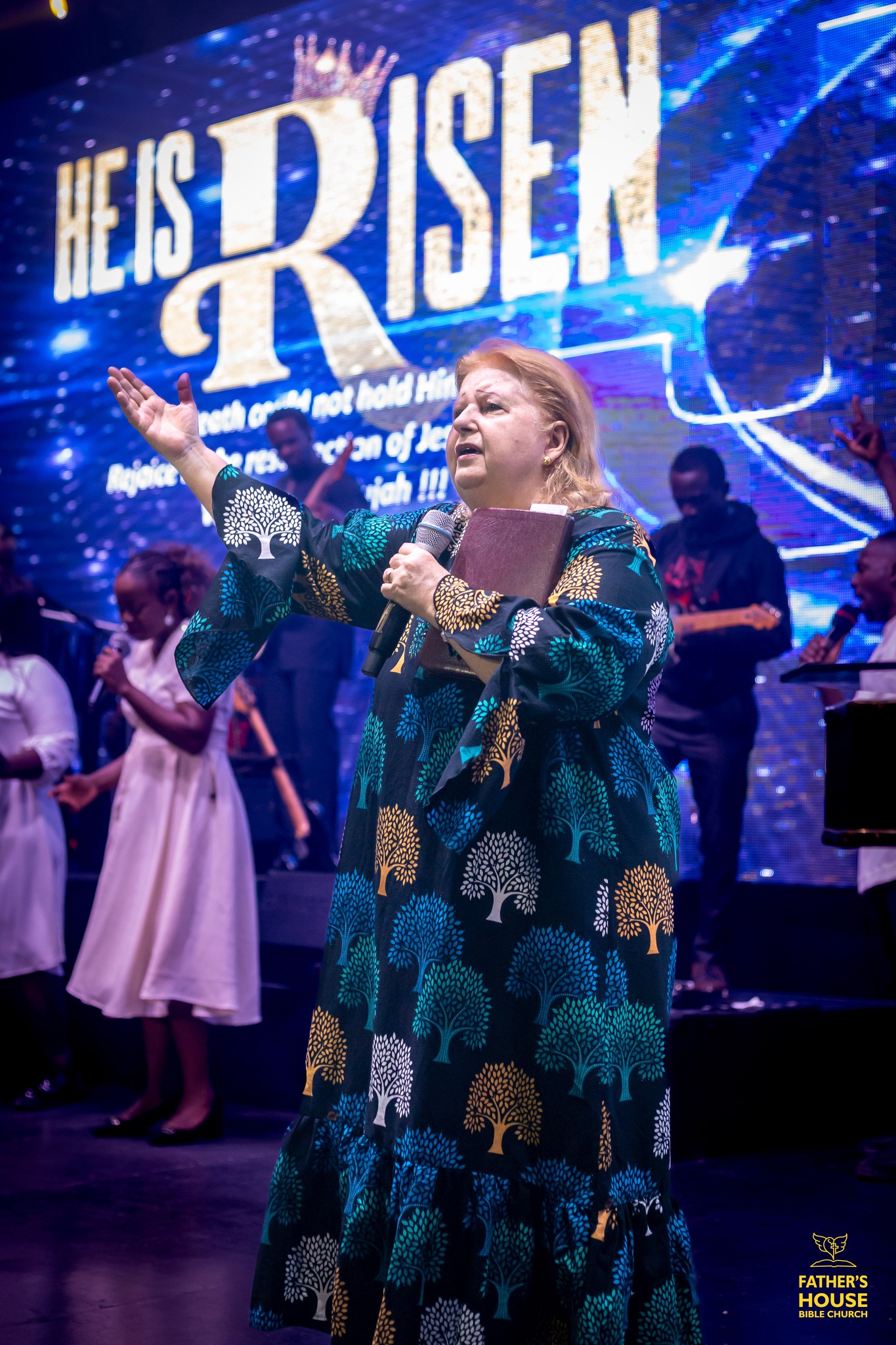
CHRIST IS RISEN INDEED!

Today, together with the Christians all over the world, we celebrate the Resurrection of our Lord and Savior Jesus Christ. Most people call this day “Easter”. Christmas and Easter are the two main holy days Christians celebrate yearly. On Christmas we celebrate the birth of our Lord and at Easter we celebrate His resurrection from the dead. According to the Bible, Jesus was crucified and died on ‘Good Friday’. He was buried in a borrowed tomb. On the third day, which is Sunday, He rose from the dead and we celebrate His victory over sin and death.

The resurrection of Jesus has been called ‘The greatest event or miracle in human history’.  His resurrection means that God the Father has approved the work His Son has done on earth. It also means that God has rejected all other men who thought others how to go to heaven. Jesus said: “Jesus said to him, “I am the way, the truth, and the life. No one comes to the Father except through Me” (Jn14:6). “Nor is there salvation in any other, for there is no other name under heaven given among men by which we must be saved” (Ac 4:12). The purpose of Easter also means the full confirmation of all that Jesus taught and preached during His three-year ministry. If Jesus had simply died and not been resurrected, He would have been just another teacher or prophet. However, His resurrection rebuked all that and provided final proof that He was the Son of God and that He had overcome death once and for all. The resurrection of Jesus Christ is the cornerstone of the Christian faith, signifying the fulfillment of God’s plan for redemption and offering believers the promise of eternal life. Easter is a day of great joy and hope, as Christians celebrate the victory of light over darkness, life over death, and the triumph of God’s love for humanity.

For the sake of argument, let us assume that Jesus did not rise from the dead. What will that mean? Most men accept the idea that Jesus was a good and godly man, who helped the people. But if He did not rise from that grave, it means that He was a man like any men. And He died like any man dies. His great dreams to save sinners have died with Him. His greatest promises to men are all connected with His resurrection. It means He cannot be our Savior. Lastly, if Jesus did not resurrect, it means that He was a liar, a deceiver. Nobody will trust Him again! Christianity cannot survive. The Church could not start. Jesus said that He is the good Shepherd who is ready to die to protect and save the sheep. He said: “Therefore, My Father loves Me, because I lay down My life that I may take it again. 18 No one takes it from Me, but I lay it down of Myself. I have power to lay it down, and I have power to take it again. This command I have received from My Father” (Jn10:17,18). He claims that He has the power to die and to resurrect from the dead. These promises make no sense if Jesus did not resurrect from the dead. It means that the wolf (the devil) has killed all the sheep and there is no hope for any sinner on earth. But indeed, Christ lived, died, and resurrected to become the first fruit of life from the dead. He is the Author and Finisher of our faith, and our eternal Great High Priest in heaven who intercedes for us even right now. To Him be all the glory!

According to the New Testament accounts, Easter Sunday began with the dawn of a new day, following the sorrowful crucifixion of Jesus on Good Friday. As the sun rose, the women who had followed Jesus, including Mary Magdalene, Mary the mother of James, and Salome, made their way to the tomb where the body of Jesus had been laid. Upon arrival, they discovered that the stone was rolled away from the entrance and the tomb was empty. This extraordinary discovery was accompanied by the appearance of angels who proclaimed the astounding news: “He is not here; He has risen, just as He said” (Matt 28:6). Overwhelmed with wonder, the women rushed to share the incredible news with the disciples. Meanwhile, Jesus himself appeared to Mary Magdalene near the tomb, to other followers, including two disciples on the road to Emmaus and to the gathered disciples in Jerusalem. After 40 days, Jesus ascended bodily to heaven. 10 days later, He sent the Promised Holy Spirit to the waiting disciples and the Church was born. Praise the Lord!   

I am now “a lawyer in the court”. You are the jury. Based on Biblical evidence alone I want to convince you that Christ rose from the dead. I will present four ‘exhibits’: The empty tomb, the clothes Jesus left behind, Jesus appeared to people, total transformation of the disciples.  

1-THE EMPTY TOMB: The women went early in the morning to finish preparing the body of Jesus, with spices, according to the Jewish method of honouring the dead. The tomb was empty (Matt 28:1-8). They could see it for themselves. Why is the empty tomb important? Because it points to the bodily resurrection of Jesus, that death could not hold him. And, also, because Jesus has risen, we can look forward to our own resurrection as well. Death is not the end of life’s journey. Because of Christ, in life and death, we have a living glorious hope!

2-THE FOLDED LINEN CLOTHES: What convinced the disciples was not only the empty tomb but that the linen clothes that wrapped the body of Jesus were folded and left in the tomb (Jn 20:6-9) They saw the clothes and they believed. The Jews wrap the head of the corpse in a separate cloth. When Jesus resurrected the clothes were left exactly as they were, like an empty cocoon left behind by the butterfly.

3-THE APPEARANCES OF CHRIST: The resurrected Christ appeared about ten times to different people: to Mary Magdalene, to the disciples, to 500 people, and later, to apostle Paul (1Cor 15:3-8). To dismiss all these testimonies is not easy for none of them was mentally sick. It is good to know that the resurrected Christ never appeared to an unbeliever. He only appeared to Christians!

4-THE TRASNFORMATION OF THE DISCIPLES: This is the best exhibit. The disciples were all depressed, mourning the death of their leader. After the resurrection they suddenly became joyful, preaching the Gospel. See Peter. He was a coward who denied Jesus. Now, on the Day of Pentecost, bold like a lion, he preaches Jesus crucified and resurrected. The only explanation for this sudden dramatic change is that Peter saw the resurrected Christ. He was convinced that Jesus Christ is the Son of God, the Savior of mankind and the Lord of all. He said:

Another great example was Saul who became the great Apostle Paul. He persecuted the believers to death. On the road to Damascus, Paul saw not just a vision, but the resurrected Christ Himself. He became blinded and humbled. Christ restored his sight and used him as one of His greatest servants. Apostle Paul went on missionary trips, started churches, wrote ¾ of the New Testament and died a martyr’s death. No man can change so dramatically by himself. It was the resurrection power of Christ!

If you deny the Resurrection, Christianity makes no sense. Some say that the disciples invented the story of the resurrection. But that is not true. When Jesus was crucified, we are told that “all of His disciples abandoned Him and fled” (Mk 14:50; AMP). Judas betrayed Him and Peter denied Him. After Jesus died and was buried, all the disciples were mourning and were very sad. None remembered His promises about the resurrection. When Jesus appeared to Mary Magdalene, His disciples were all shocked. They did not believe her. No one was praying to see Him alive again. None believed in His resurrection. None had the power to invent such a story. If Jesus did not resurrect then the Church cannot exist. The truth is that Jesus died, was buried, rose from the dead and ascended to heaven. He promised to send the Holy Spirit who came on the day of Pentecost and Baptized all believers into one New Body called the Church, or the Body of Christ. The Church has survived many persecutions. Christ is the Head of the Church, its Builder and Defender. Jesus promised that the Church will be indestructible. He said: “on this rock I will build My church; and the gates of Hades (death) will not overpower it [by preventing the resurrection of the Christ]” (Matt 16:18; AMP). The Church is marching on. No power of hell can stop its growth and progress. When Christ resurrected, He merged the familiar with the unfamiliar. Jesus now has a new body and a new power. But He is the same Jesus! Selah!

MY LORD AND MY GOD

Read John 20:1-31. Jesus died like a grain of wheat. He rose with all who believed in Him. Resurrection is the harvest of eternal life. The resurrection of Jesus did not come with sounds of trumpets and with angels singing praises. It came quietly, just like the day breaks and defeats the dark night. The revelation is gentle, in stages. Mary Magdalene went to the tomb while it was still dark. It was about 4 am. Love made her come so early. She saw that the stone was rolled away and the body of Jesus was missing. She ran to tell the disciples. They were shocked. John ran faster because he loved Jesus more. Peter followed him. He saw the burial clothes in the tomb “and he believed”. Love carried him to faith! Mary sees two angels in the tomb. As Jesus was crucified between two thieves, so now, there are two angels at the place of Resurrection. Mary sees Jesus but, in her grief, she confuses Him to be the Gardener. With the love and authority of resurrection, Jesus calls her by her name: Mary! Immediately she recognizes Him. She calls Him Rabboni! She clings to Him. But Jesus does not allow her to do that. The resurrection defeated not only death but all earthly limitations. From now on, she no longer clings to Jesus in the natural, but in the Spirit. A new greater Faith is born. Jesus gives her work to do. She should go to “His brethren” and tell them the truth. This is the first time that Jesus calls the disciples “My Brethren”. This word comes with resurrection power! Like Mary, Jesus sends us to tell people that Jesus is not in the tomb but in His Father’s glory. We should preach His Gospel so that sinners may believe and become Brethren!

The disciples were hiding for fear of the Jews. The doors were shut. How many times the church hides for fear of persecution? Suddenly, Jesus comes in and He “stood in their midst”. Despite the locked doors, the sudden appearance of Jesus demonstrates His glorified, resurrected body, which transcends physical barriers. This miraculous entry reinforces His divine nature and the reality of His resurrection, providing comfort and assurance to the disciples. From now on, Jesus will always be the centre of the Church. He greets them saying: “Peace be with you!” This is not a casual greeting. Peace is the fruit of His victory over sin and death. Like with Mary, Jesus commissions them to go and preach His Gospel. They will do His priestly work of forgiveness and healing in His name. But for that, they need His power. Jesus breathes on them the Holy Spirit. This is a gift from Him until the Person of God the Holy Spirit comes in His name. The disciples receive His authority to forgive sins in His name. Then joy follows. But if people like Judas Iscariot and the Jewish leaders reject Christ, they cannot be forgiven. The light and love of Jesus coming thru His Gospel, reveals the hardness of hearts of those who persist in rebellion. Thomas the Twin was not there when Jesus came the first time. He was battling with doubts. He wanted to see and touch the scars of crucifixion. Jesus came the second time. He stood in their midst again and greeted them again “Peace to you!”. Then Jesus tells Thomas: “Reach your finger here and look at My hands; and reach your hand here and put it into My side. Do not be unbelieving but believing”. Jesus shows Thomas that He is alive, a real Person. His wounds are His credentials. All the doubts in Thomas disappear. He calls Jesus by the highest title a man on earth can call Him: “My Lord and my God!” The resurrected Chris is God!!! Thomas honours the Son as He honours God the Father. Jesus then says that anyone who truly believes in Him, even if he does not see Him, is blessed and saved.

HELP THOSE WHO DOUBT

“Be merciful to those who doubt” (Jude 1:22) reflects Jesus’ own approach to Thomas. Some believers struggle with doubt. They need guidance and compassion. Doubt can arise from various sources, including persecution, false teachings, or personal struggles. Jude’s instruction to show mercy to doubters shows the importance of patience and understanding in the church. Jesus’ ability to enter the locked room symbolizes His ability to enter the closed areas of our lives, offering peace and transformation. The padlocks and our doubts cannot keep Jesus out from our lives. Doubt is a common human experience, but it should lead us to seek truth and deeper understanding rather than remain in unbelief. Jesus faces Thomas’ doubt head-on. He does not condemn him. He offers evidence before giving the command to believe. His scars are presented as bodily realities. Doubt is a “sickness” but not terminal. Bring your doubts to Jesus who welcomes honest seekers. Christ initiates the evidence; faith is not blind or forced. The command “Stop doubting” has commanding force, revealing unbelief as a sin of the will, not just intellectual lack. Doubt appears when evidence is ignored, not when questions are pursued. Reading the Bible, partaking in the Holy Communion, having fellowship with other brethren, stabilize wavering faith. Christ graciously supplies proof, confronts the will, and commands belief. Doubt rightly answered leads to deeper worship, saying like Thomas: “My Lord and my God.”

By His resurrection Jesus did not only break the grave, and death, but all earthly limitations, and weaknesses, on our behalf. May we never lose our wonder to worship Jesus Christ, who died and rose again for us! If you are not saved, give your life to Jesus because you will meet Him one day, as the Lord of the Living and the Dead, and the Judge of all. If you are saved, then you are eternally safe. Rejoice! Christ’s sacrifice is all that we need to have eternal life. When Christ died, we died with Him. When Christ rose, spiritually, we rose with Him. One day, we shall rise from the graves. Our bodies shall be changed and become like His own. We shall be with Him, we shall be like Him, and we will worship Him forever. This is our hope of glory! By His resurrection Jesus says to us: I am Living! I am near you! Worship the Lord!